
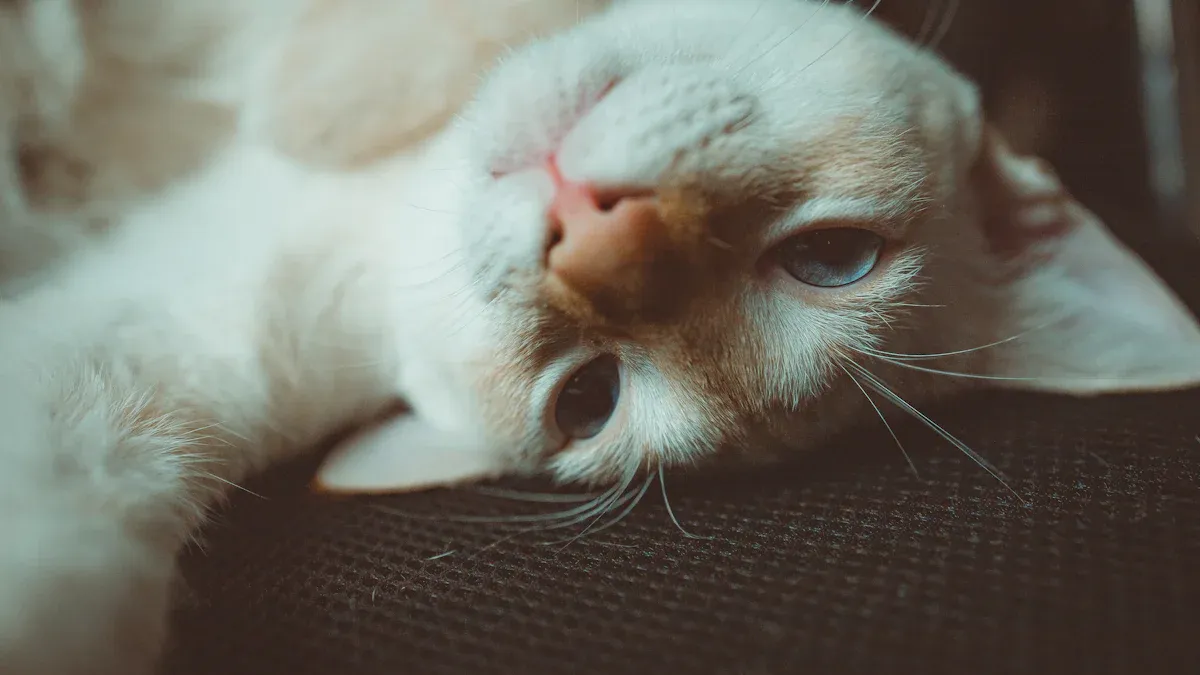
If you notice your cat’s ear folded down, it may indicate various health or environmental issues. Factors like ear infections or stress can cause this change. Understanding the reasons behind your cat’s ear folding down helps you ensure their well-being. Your concern for your pet’s health is important, and being informed can make a difference.
Key Takeaways
A cat’s ear folding down can indicate fear, anxiety, or health issues. Observe your cat’s behavior to understand their emotional state.
Common health problems like ear infections or genetic conditions can cause drooping ears. Consult a veterinarian if you notice persistent changes.
Regular veterinary check-ups are essential for monitoring your cat’s health. Schedule visits twice a year to catch potential issues early.
Understanding Cat’s Ear Folded
What Does a Folded Ear Indicate?
When you see your cat’s ear folded down, it can signal several things. First, it may indicate that your cat feels frightened or anxious. You might notice that their ears are held low and drooping to the side. This position often leads them to retreat to a hiding spot or, in some cases, become aggressive.
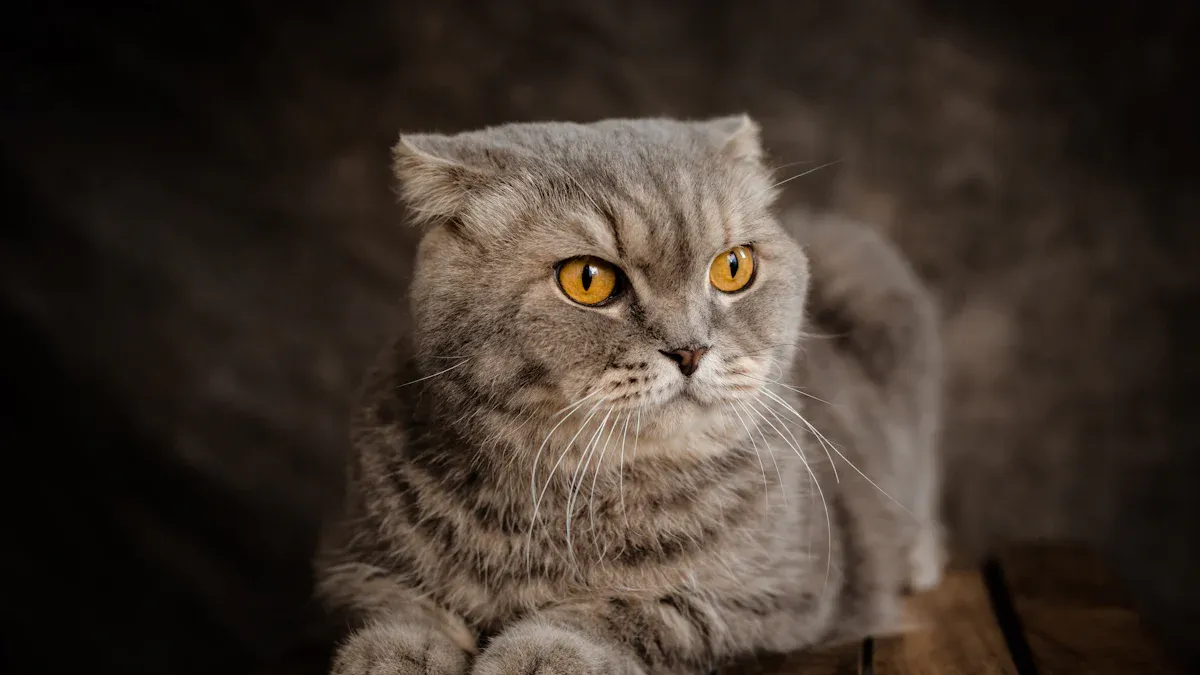
A folded ear can also point to health issues. For example, certain breeds, like the Scottish Fold, have a genetic trait that causes their ears to fold. This breed is known for its unique ear shape, which is linked to a condition called osteochondrodysplasia. This condition affects the bones and can lead to serious health problems if not monitored.
Common Misconceptions
Many people mistakenly believe that a cat’s ear folding down is always a sign of illness. While it can indicate health issues, it often reflects your cat’s emotional state. For instance, a cat may fold its ears when feeling threatened or uncomfortable.
Another misconception is that all cats with folded ears are unhealthy. In reality, some breeds naturally have bent ears due to genetic factors. Understanding these nuances helps you better interpret your cat’s behavior and health.
Genetic Factor | Health Outcome | Severity |
|---|---|---|
Two copies of mutated gene | Crippling arthritis | Early onset |
One copy of mutated gene | Slower progression of arthritis | Mild disease possible |
Severe cases | Unable to walk, potential euthanasia | Chronic pain |
By recognizing these signs and understanding the context, you can provide better care for your feline friend.
Causes of Cat’s Ear Folded
Health Issues
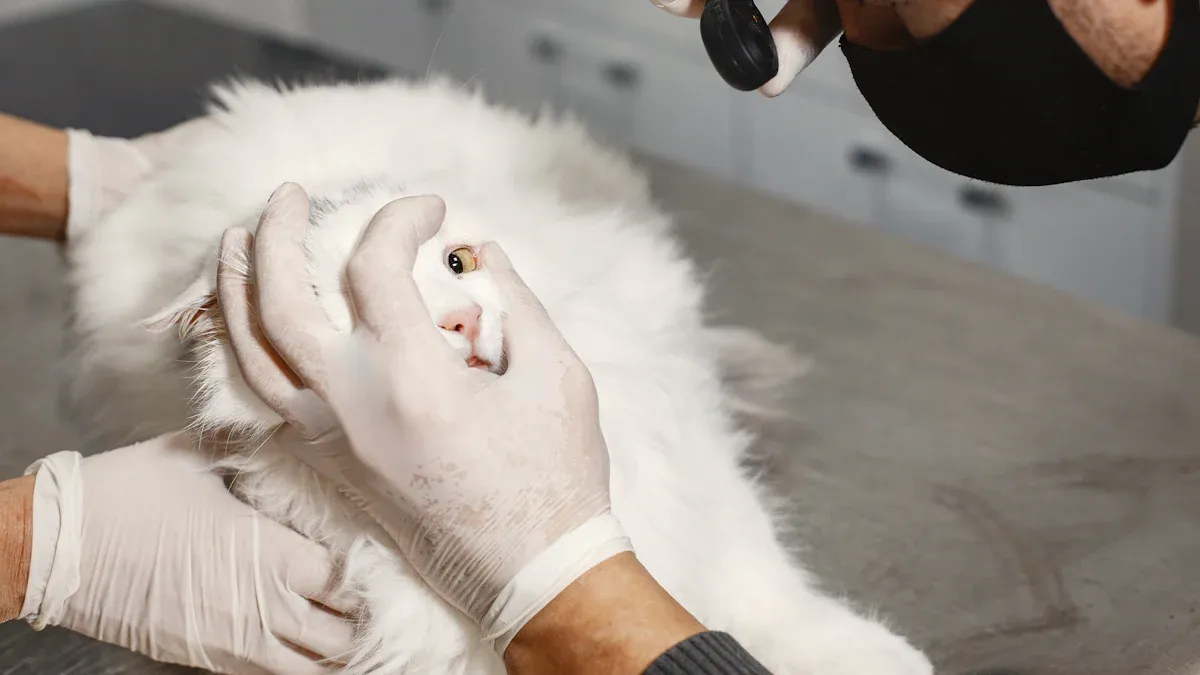
Several health issues can lead to your cat’s ear folding down. One common cause is otitis externa, an infection of the outer ear canal. This condition often results in inflammation, causing discomfort and leading to drooping ears. Symptoms may include head shaking, scratching at the ear, and signs of pain. If you notice these behaviors, it’s essential to consult a veterinarian for a thorough examination of the ear.
Other health issues that may cause a cat’s ear to fold down include:
Osteochondrodysplasia: This genetic condition affects cartilage and joint development, leading to pain and discomfort.
Hypertrophic cardiomyopathy: A heart condition that can affect cats, including Scottish Folds.
Polycystic kidney disease: A kidney disorder that may also be present in some Scottish Fold cats.
In addition to these conditions, aural hematomas can occur when blood collects between the ear cartilage and skin. This swelling can cause the ear to droop and may require surgical treatment.
The prevalence of otitis externa in cats with folded ears is notable. A study showed that out of 465,096 cats presented, 31,719 were diagnosed with otitis externa, which is approximately 6.8%. Here’s a breakdown by age group:
Age Group | Total Number Presented | Number with Otitis Externa | Percentage Diagnosed |
|---|---|---|---|
Juvenile (< 1 year) | 113,114 | 9,051 | 8% |
Young Adult (1—3 years) | 102,153 | 5,680 | 5.6% |
Mature Adult (3—10 years) | 181,827 | 10,733 | 5.9% |
Geriatric (> 10 years) | 91,728 | 6,592 | 7.2% |
Total | 465,096 | 31,719 | 6.8% |
Environmental Factors
Environmental factors can also contribute to your cat’s ear folding down. Changes in their surroundings, such as loud noises or unfamiliar situations, can cause stress. When cats feel threatened, they may flatten their ears against their heads. This behavior is a natural response to protect themselves from perceived danger.
Additionally, exposure to allergens in the environment can lead to inflammation in the ears. Dust, pollen, or certain foods may trigger allergic reactions, resulting in drooping ears. If you suspect allergies, consider discussing this with your veterinarian, who can recommend appropriate treatment options.
Behavioral Reasons
Your cat’s ear position can reflect its emotional state. Here are some behavioral reasons that might explain why your cat has drooping ears:
Nervousness: Flattened ears facing sideways indicate anxiety or nervousness.
Zoomies: Ears back in ‘airplane mode’ can signal a cat is about to run around energetically.
Fear: Ears pinned flat against the head are a clear sign of fear.
Illness: Ears back and outward may suggest the cat is unwell or in pain.
Ear Infection: One ear back could indicate a sore ear.
Ear Mites: Changes in ear position can be due to ear mites.
Polyp: Benign growths can affect ear positioning.
Loud Sounds: Ears back can be a protective response to loud noises.
Sound Location: Ears move to pinpoint sounds.
Contentment: Some cats may also put their ears back when relaxed and happy.
Understanding these causes of drooping ears can help you better care for your cat. If you notice persistent changes in your cat’s ear position, it’s wise to consult a veterinarian for further evaluation and treatment.
When to Seek Help for Cat’s Ear Folded
Signs of Serious Health Concerns
If you notice your cat’s ear folding down suddenly, it may indicate a serious health issue. Pay attention to any additional symptoms that may accompany the drooping ears. Here are some signs that warrant immediate veterinary attention:
Redness or Swelling: If you see redness or swelling around the ear, this could signal an infection or inflammation.
Discomfort: Watch for signs of discomfort, such as excessive scratching or head shaking.
Persistent Drooping: If the ear does not return to its normal position within a short time, consult a vet.
Changes in Behavior: Sudden changes in your cat’s behavior, such as hiding or aggression, can also indicate distress.
Remember, early intervention can make a significant difference in your cat’s health. If you observe any of these signs of drooping ears, don’t hesitate to seek veterinary help.
Routine Check-ups
Routine check-ups play a crucial role in maintaining your cat’s health, especially for those prone to ear folding. Regular visits to the veterinarian can help catch potential issues before they escalate. Here are some recommendations for scheduling check-ups:
Schedule check-ups twice a year for cats prone to health issues like ear folding.
Senior cats and those at higher risk of health conditions should also have check-ups twice a year.
By keeping up with routine veterinary visits, you can ensure that your cat remains healthy and happy. Regular examinations allow your veterinarian to monitor your cat’s overall health and address any concerns related to their ears or other health issues.
Taking proactive steps in your cat’s healthcare can lead to early detection and treatment of any problems. This approach not only helps in managing existing conditions but also promotes a longer, healthier life for your feline friend.
Understanding why your cat’s ear folds down is crucial for their health. It can indicate emotional distress or serious health issues. Regular check-ups and monitoring your cat’s behavior can help you catch problems early. Always consult your veterinarian if you notice persistent changes in your cat’s ear position.
FAQ
Why are my cat’s ears drooping?
Drooping ears can indicate stress, discomfort, or health issues. Observe your cat’s behavior for other signs.
When should I consult a veterinarian about my cat’s ears?
Consult a veterinarian if you notice persistent drooping, redness, swelling, or signs of pain in your cat’s ears.
Can environmental factors cause my cat’s ears to bend?
Yes, loud noises or allergens can lead to bent ears. Monitor your cat’s environment for potential stressors.