
Imagine coming home to find your cat hiding under the bed, avoiding you completely. You might wonder what’s wrong. Recognizing the signs of an anxious cat is crucial. Early detection can prevent chronic stress, which often leads to health problems like weakened immunity. Understanding these signs helps you care for your furry friend better, ensuring a happier life together.
Key Takeaways
Look for signs like inappropriate elimination, overgrooming, and increased vocalization. These behaviors often indicate anxiety in cats.
Create a calm environment for your cat. Safe spaces and a consistent routine can help reduce stress and anxiety.
If you notice changes in your cat’s appetite or behavior, act quickly. Prolonged anxiety can lead to serious health issues.
Signs of an Anxious Cat
Inappropriate Elimination
One of the most noticeable signs of an anxious cat is inappropriate elimination. If your cat suddenly starts avoiding the litter box, it could be a cry for help. Cats often feel stressed when they face changes in their environment, like moving to a new home or the arrival of a new pet. When anxiety strikes, they might choose to urinate or defecate outside the litter box.
Tip: Always rule out medical conditions before assuming anxiety is the cause. Conditions like urinary tract infections or kidney disease can lead to similar behaviors. Here’s a quick look at some medical issues to consider:
Medical Condition | Description |
|---|---|
Urinary Tract Infection | Causes discomfort during urination, leading to aversion to the litter box. |
Inflammatory Bowel Disease | Causes discomfort during defecation, potentially leading to inappropriate elimination. |
Orthopedic or Neurologic Pain | May cause difficulty entering or using a traditional litter box. |
Kidney Disease | Can lead to increased urination, prompting cats to seek cleaner elimination spots. |
Diabetes | Causes increased urine production, leading to similar behaviors as kidney disease. |
Digestive Disorders | May result in increased stool production, causing cats to avoid their litter box. |
Overgrooming
Another sign of an anxious cat is overgrooming. If you notice your cat excessively licking itself, it might be trying to cope with stress. This behavior can lead to physical consequences, such as:
Consequence | Description |
|---|---|
Fur loss | Thinning fur or bald patches on reachable areas. |
Skin irritation | Irritated or inflamed skin due to excessive grooming. |
Sores or lesions | In severe cases, sores or lesions may develop. |
Increased hairballs | Excessive licking leads to more hairballs. |
Overgrooming is not just a habit; it can indicate deeper emotional distress. If you see your cat obsessively grooming, it’s time to take a closer look at what might be causing the anxiety.
Increased Vocalization
Increased vocalization is another common sign of an anxious cat. If your cat suddenly starts meowing more than usual, pay attention. Studies show that 40.5% of cat owners rated their cat’s increased vocalization as stressful. This vocalization often differs in tone and intensity from regular meows.
Did You Know? A study found that anxious cats exhibit variations in frequency, duration, and intensity in their meows. This means that their sounds can be quite different from those made for other reasons.
When your cat vocalizes more, it may be trying to communicate its discomfort or fear. You might even find yourself being woken up at night due to your cat’s cries. If this happens regularly, consider what might be stressing your furry friend.
Recognizing these signs of an anxious cat is essential for providing the right care. By being observant, you can help your cat feel more secure and comfortable in its environment.
Behavioral Changes
When your cat feels anxious, you might notice some significant behavioral changes. These changes can be subtle or quite pronounced, but they all signal that your furry friend is struggling. Here are some common behaviors to watch for:
Hiding and Avoidance
If your cat suddenly starts spending more time hiding, it’s a clear sign of anxiety. Cats often seek out safe spaces when they feel stressed. You might find your cat tucked away in a closet or under the bed, avoiding interaction with you and other pets.
More hiding: Increased hiding behavior can indicate anxiety.
Frequent following: An anxious cat may follow you closely when you’re around, seeking reassurance.
This behavior is their way of coping with stress. If you notice your cat avoiding you or its usual spots, it’s time to assess what might be causing the anxiety.
Aggression and Scratching
Anxiety can also manifest as aggression. You might find your cat acting out unexpectedly, scratching or hissing at you or other pets. This behavior can be alarming, especially if your cat has always been friendly.
Environmental Factor | Impact on Aggression in Anxious Cats |
|---|---|
Inadequate socialization during kittenhood | Increases fearfulness and aggression |
Presence of litterbox issues | Positively correlates with fearfulness and aggression |
Overall environment | Influences aggressive behaviors due to stress and anxiety |
Fearfulness often leads to problematic behaviors. If your cat feels threatened, it may lash out as a defense mechanism. Understanding the triggers for this aggression can help you create a more peaceful environment for your pet.
Changes in Appetite
Anxiety can significantly affect your cat’s eating habits. You might notice your cat eating less or even refusing food altogether. This change can stem from various emotional triggers, such as new environments or changes in routine.
Reduced appetite: Anxiety can lead to hyporexia (reduced appetite) or anorexia (loss of appetite).
Overeating: Some cats may overeat due to anxiety about food availability, which can lead to obesity.
Important Note: Chronic stress signs may include appetite loss or finicky behavior. If your cat stops eating for more than three or four days, it risks serious health issues like hepatic lipidosis (fatty liver disease).
If you notice any changes in your cat’s appetite, it’s crucial to address them quickly. Prolonged appetite changes can lead to dehydration, weakness, and a weakened immune system.
Recognizing these behavioral changes is vital for your cat’s well-being. By being observant and proactive, you can help your furry friend feel more secure and comfortable in its environment.
Physical Signs of Anxiety
When your cat feels anxious, you might notice some physical signs that can be hard to miss. These signs often indicate that your furry friend is struggling with stress or fear. Here are some key physical manifestations to watch for:
Trembling and Shaking
Trembling or shaking is a common response when cats experience anxiety. You may see your cat quivering, especially during stressful situations like loud noises or changes in their environment. This reaction is normal and can happen due to various triggers, such as:
Separation anxiety
New pets or people in the home
Sudden loud sounds, like thunder or fireworks
If you notice your cat shaking, it’s essential to assess the situation. While trembling can be alarming, it often signals that your cat needs comfort and reassurance.
Pacing and Restlessness
Pacing and restlessness are also signs of an anxious cat. You might see your cat walking back and forth or unable to settle down. This behavior often indicates unease, especially when they feel separated from you. Common triggers for this restlessness include:
Behavioral Trigger | Description |
|---|---|
Environmental Changes | Moving to a new home or rearranging furniture can disrupt a cat’s routine. |
Separation | Cats may feel stressed when left alone for extended periods. |
Loud Noises | Thunderstorms, fireworks, and other loud sounds can cause anxiety. |
If your cat seems restless, try to create a calm environment to help them feel more secure.
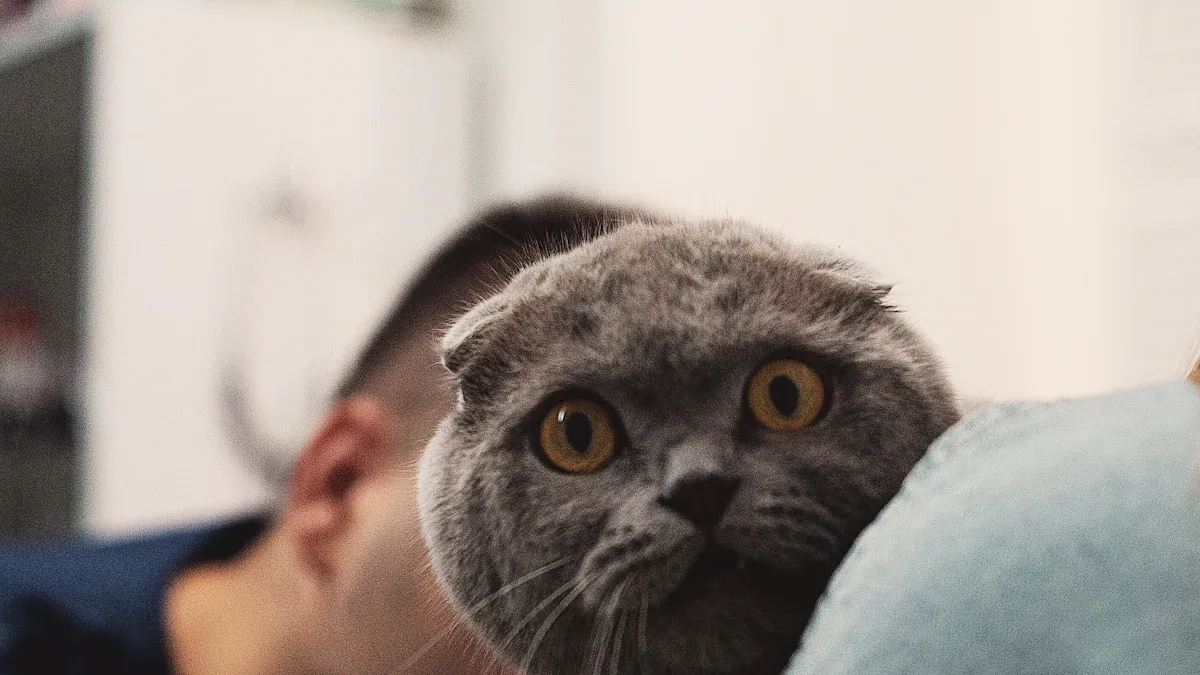
Dilated Pupils
Dilated pupils are another physical sign of anxiety in cats. When your cat’s pupils appear larger than usual, it can indicate fear or stress. This reaction often accompanies other signs, such as:
Trembling or shaking
Excessive meowing or growling
Hiding or fleeing
Being aware of these physical signs can help you understand your cat’s emotional state better. By recognizing these cues, you can provide the support and comfort your anxious cat needs.
Recognizing the signs of anxiety in your cat is crucial for their well-being. Key indicators include inappropriate elimination, overgrooming, increased vocalization, hiding, aggression, and changes in appetite.
Remember: Being observant and proactive can prevent anxiety from escalating into chronic conditions. Create safe spaces, stick to routines, and consider calming products to help your furry friend feel secure. Early intervention leads to a happier, healthier cat! 🐾
FAQ
What should I do if my cat shows signs of anxiety?
Start by identifying triggers. Create a calm environment and consider consulting your vet for advice or calming products.
Can anxiety in cats be treated?
Yes! Treatment options include behavioral therapy, environmental enrichment, and sometimes medication. Consult your vet for the best approach.
How can I prevent anxiety in my cat?
Maintain a consistent routine, provide safe spaces, and gradually introduce changes. Regular playtime and attention also help keep your cat relaxed. 🐱