
Many people believe ancient Egyptians domesticated cats. However, the African wildcat stands as the true ancestors of all domestic cats. This remarkable wildcat began an extraordinary journey. It transformed from a wild hunter into the beloved house cat. This unique cat domestication process involved a subtle, mutually beneficial relationship with humans. In essence, the wildcat domesticated us, not the other way around. The fascinating story of how these household pets came to be started much earlier. The African wild cat reveals the true origins of all modern domestic cats.
Key Takeaways
The African wildcat is the ancestor of all domestic cats. Genetic studies confirm this link.
Cat domestication started in the Fertile Crescent about 10,000 years ago. Wildcats hunted rodents near human farms.
Wildcats and domestic cats can have babies together. This mixing threatens wildcat populations.
African wildcats are bigger and stronger than house cats. They have longer legs and a uniform coat color.
Genetic Ancestry: The African Wildcat Link
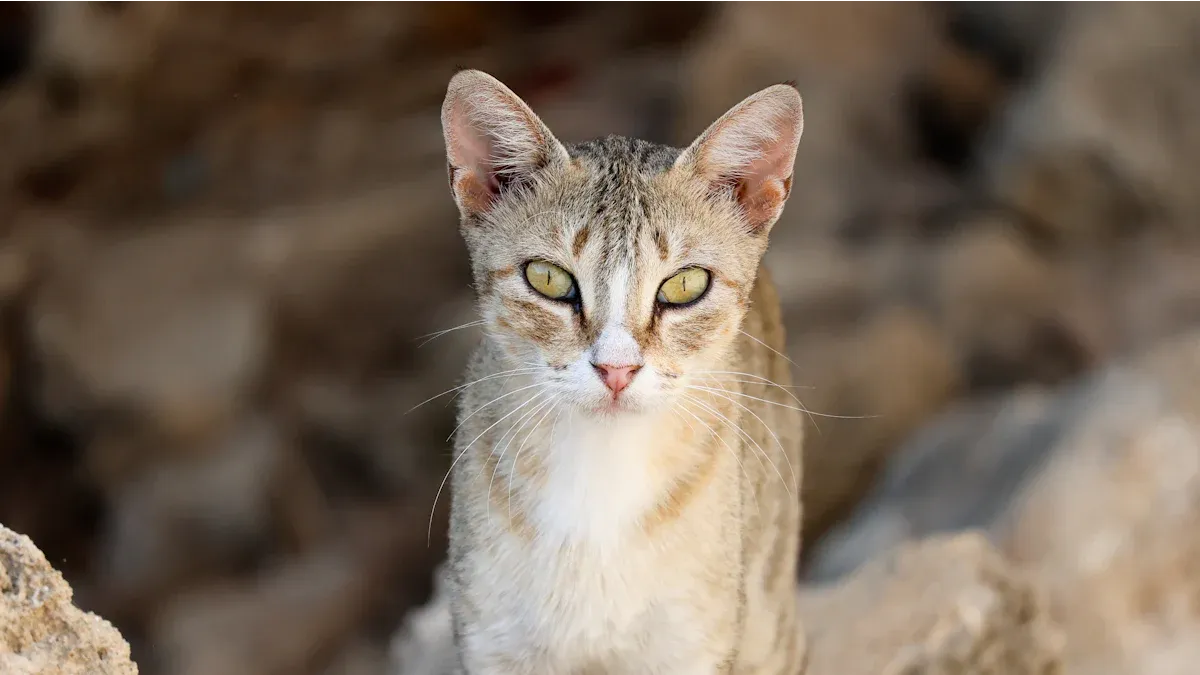
Scientists confirm the African wildcat is the true ancestor of all domestic cats. Genetic studies provide strong evidence for this connection. These studies trace the lineage of our beloved feline companions back to a specific wild species.
Unraveling the Feline Family Tree
Scientists use various methods to map the feline family tree. They analyze genetic material from many different cat species. These methods include maximum-likelihood trees, which use feline A3Z3 genes and FIV Vif proteins. Researchers also examine mitochondrial DNA sequences, such as cytochrome b and 12S rRNA. They look at nuclear DNA genes and nuclear beta-fibrinogen intron 7. Supermatrix and species tree methods help build a complete picture.
The Felidae family includes many different cats. The genus Felis contains the domestic cat lineage. Key species within the Felis genus are closely related to the domestic cat. These include the Jungle cat (F. chaus), the Black-footed cat (F. nigripes), and the Sand cat (F. margarita). Wildcats also branch into different types, such as the Chinese mountain cat (F. bieti) and the African wildcat (F. lybica). Genetic analysis consistently points to one specific origin for all domestic cats.
The Felis Lybica Lybica Subspecies
All modern domestic cat populations originate from the African wildcat, specifically the subspecies Felis lybica lybica. This particular african wildcat is the sole ancestor of our house cat. A 2007 genetic analysis by Driscoll, O’Brien, and colleagues provided strong proof. They examined DNA from nearly 1,000 wildcats and domestic cats across the Old World. The study established that all domestic cats descended solely from Felis silvestris lybica, which is another name for the Middle Eastern wildcat.
The researchers analyzed both mitochondrial DNA and nuclear DNA (microsatellites). They found five genetic clusters. Domestic cats grouped exclusively with the F. s. lybica lineage. This indicated a single origin for domestication in the Middle East. Wildcats of the F. s. lybica subspecies from remote deserts were almost identical genetically to domestic cats. Recent genetic research, using nuclear DNA analysis, further confirms Felis lybica lybica as the origin. Nuclear DNA is more reliable than mitochondrial DNA. It shows clear differences between wildcats and domesticated cats.
The subspecies Felis lybica lybica, also known as african wild cats, lives throughout Africa. They avoid tropical rainforests. In desert regions, their presence is limited to mountainous areas and waterways. They also inhabit the Arabian Peninsula. This wide-ranging wildcat gave rise to all the domestic cats we know today.
Domestication Pathway: From Wild to Home
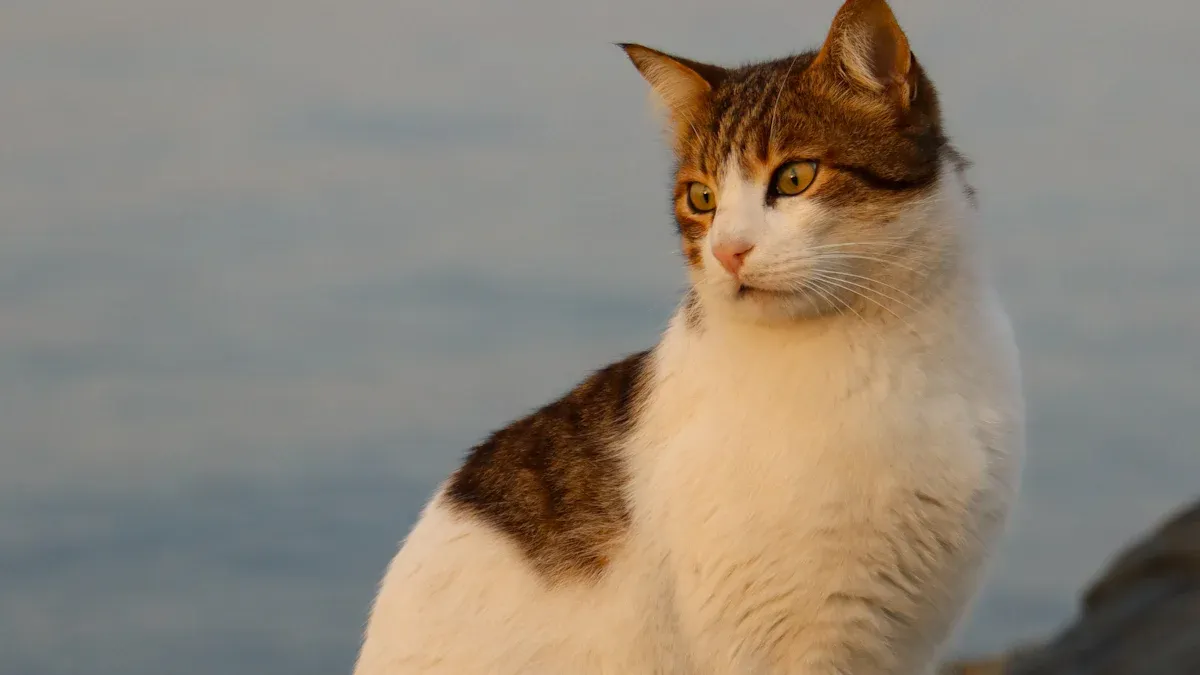
The journey of cat domestication did not begin with humans actively taming wild animals. Instead, it followed a unique process called the ‘commensal pathway’. This pathway describes how animals become domesticated without direct human intervention. It involves three stages. First, a proto-domesticate species is drawn to a niche created by humans. Second, both species slowly become used to each other. Finally, the initial one-way relationship becomes mutually beneficial. This process allowed species like dogs, cats, chickens, and pigs to become domesticated. The African wildcat followed this path, moving from a wild hunter to a companion.
The Fertile Crescent Origins
Cats began their unique relationship with humans in the Fertile Crescent. This region saw the development of agriculture and settled lifestyles approximately 10,000 to 12,000 years ago. The earliest cat domestication events in this area occurred nearly 10,000 years ago. This timing coincides with humans changing from hunter-gatherers to farmers. The agricultural revolution created a new environment. Farmers stored grain, which attracted rodents. These rodents provided a readily available food source for wildcats. This drew the African wildcat to human settlements.
Scientists believe this interaction, driven by pest control needs, was a key factor in cat domestication. The wildcat’s natural hunting abilities for mice and rats made them valuable allies to early human communities. Humans likely wanted to keep these cats around because they killed rodents. This protected crops and stored food. This mutually beneficial relationship led to cats essentially ‘domesticating themselves’. They gained access to food sources like mice and rats, potential table scraps, and protection from humans. This encouraged them to become tamer.
Early Human-Cat Association
Archaeological evidence strongly supports this early association. A significant discovery is the 9,500-year-old burial site in Cyprus. This site is located in the Neolithic village of Shillourokambos. It contained human and cat remains buried together. The human and cat skeletons were found just 40 centimeters apart. The grave also included seashells, polished stones, ochre, and flint tools. Analysis showed the cat was about eight months old when it died. This find represents the oldest known evidence of a special relationship between humans and cats. It predates Egyptian depictions by 4,000 years or more.
This evidence shows that cat domestication occurred earlier and in different locations than previously believed. Scientists have identified two distinct periods of cat domestication. The first period happened approximately 10,800 years ago in the Middle East/North Africa region. This involved the North African and Near Eastern subspecies of wildcat (Felis silvestris lybica). This is the primary origin for most domestic cats today. A second major wave of domestication took place during the Greek and Roman periods. This involved Egyptian cats descended from the North African F. s. lybica. This significantly increased their representation in the European domestic cat gene pool. This contrasts with a later, separate domestication event in China involving a different wildcat species, the leopard cat. The initial domestication of our house cat, however, firmly began in Southwest Asia with the African wild cat.
Wild vs. Domestic: Key Distinctions
The African wild cat and its domestic descendants share many similarities. However, distinct differences exist in their physical traits and behaviors. These differences highlight the journey from a wild hunter to a beloved companion.
Physical Traits of the African Wild Cat
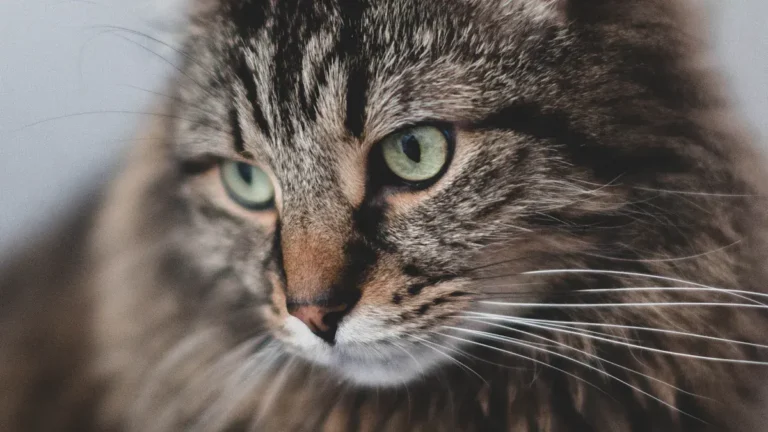
African wildcats are generally larger and stronger than domestic cats. Their head-body length ranges from 45-80 cm (17-31 inches). They weigh between 3-8 kg (6-18 lbs). A domestic cat is typically no longer than 80 cm, including its tail. Wildcats can reach up to 120 cm. They appear somewhat stockier and taller. Their legs are proportionately longer, giving them a more upright posture, especially when sitting. Their walking gait resembles a serval or cheetah, different from the average domestic cat.
The African wild cat’s fur is pale, buffish, or light-greyish. It often has a red tinge on its dorsal band. They exhibit faint mackerel-tabby stripes. The backs of their ears are characteristically russet. The underside of their paws is pitch-black. In contrast, domestic cats show a much wider variety of coat colors and patterns. Despite these differences, African wildcats and domestic cats can readily interbreed.
Behavioral Differences and Instincts
African wildcats are solitary hunters. They interact mainly for mating and raising their young. Domestic cats, however, show great behavioral flexibility. They can live alone or form complex social groups. These groups range from small family units to larger urban colonies. Domestic cats engage in friendly behaviors like greeting, rubbing, and allogrooming. They also form social bonds with humans. They raise their tail straight up to signal friendly intentions. This trait is shared with lions but not with the African wild cat. This shows a desire for friendly interaction with both other cats and humans.
Female African wildcats have a gestation period of 56 to 63 days. They typically give birth to 3 to 4 kittens. Mating can occur throughout the year.
Preserving the African Wildcat
The International Union for Conservation of Nature (IUCN) lists the African wildcat as ‘Least Concern’. However, a significant risk to its population is interbreeding with domestic cats. Hybridization with domestic and stray cats threatens the genetic purity of African wildcats. This interbreeding is a concern for small wildcats globally. Habitat loss and hunting also pose threats.
Conservation efforts focus on preventing this hybridization. Alley Cat Rescue (ACR) implements a hands-on Conservation Action Plan. They collaborate with South African organizations and farmers. A primary effort involves Trap-Neuter-Return (TNR) programs for domestic cats near game preserve borders. This aims to prevent interbreeding. Over 13,000 domestic cats have been sterilized through TNR in targeted areas. ACR also supports scientists researching the African wildcat’s genetics and behavior. They encourage sterilizing domestic cats, including barn cats, to protect this vital wild species.
The african wildcat holds profound significance. It is the sole ancestor of all domestic cats. This wildcat shaped human history and companionship. Genetic evidence confirms this lineage. The commensal pathway in the Fertile Crescent led to cat domestication. Two distinct periods of cat domestication occurred. Subtle differences exist between the wildcat and domestic felines. We must appreciate the african wild cat. It is a vital wild species facing conservation challenges. Its continued existence in the natural world remains important.
FAQ
What is the main difference between an African wildcat and a domestic cat?
African wildcats are generally larger and stockier than domestic cats. They have longer legs and a more uniform coat color, typically pale buff or grey with faint stripes. Domestic cats show a much wider variety of sizes, colors, and patterns.
Where did cat domestication first happen?
Cat domestication began in the Fertile Crescent, a region in Southwest Asia. This occurred about 10,000 years ago. Early farmers stored grain, which attracted rodents. Wildcats came to hunt these rodents, starting their relationship with humans.
Can African wildcats and domestic cats interbreed?
Yes, African wildcats and domestic cats can readily interbreed. This ability poses a conservation challenge. Interbreeding with domestic and stray cats threatens the genetic purity of wild African wildcat populations.
Why did African wildcats come close to human settlements?
African wildcats were drawn to human settlements because of rodents. Early farming communities stored grain, which attracted mice and rats. These rodents provided an easy food source for the wildcats. This mutual benefit led to the domestication of the house cat.