
You often feel fascinated by an eagle feather. Accurate identification presents a challenge. This is not just a casual interest. Correct identification is important. Legal protections cover every eagle feather. Cultural significance also plays a role for the majestic eagle. This eagle feather identification chart helps you. It provides 10 crucial facts. These facts will aid your eagle feather identification. They cover a wide range of features. You can learn to distinguish an eagle feather from others. Understanding each eagle is key.
Key Takeaways
Eagle feathers are large. They have distinct shapes and colors. These features help you tell them apart.
Federal laws protect eagle feathers. You cannot own them without special permission. Breaking these laws has serious consequences.
Eagle feathers are very important to Native American cultures. They are sacred symbols. You must handle them with respect.
You can tell eagle feathers from other bird feathers. Look at their size, stiffness, and patterns. Online tools like the Feather Atlas can help you.
If you find an eagle feather, leave it alone. It is illegal to pick it up. Respect wildlife and follow the law.
Fact 1: Eagle Feather Identification Chart: Size & Shape
You begin your eagle feather identification journey by looking at size and shape. These two features offer strong clues. An eagle feather is usually quite large. This helps you distinguish it from many other bird feathers.
Typical Feather Lengths
Eagle feathers show a significant size range. Large flight feathers, like those from the wings or tail, are the longest. You can expect these to measure from 10 to 24 inches. For example, a primary flight feather from a mature Bald eagle often reaches 18 to 24 inches. Golden eagle tail feathers also fall within this impressive range. Smaller contour feathers, which cover the body, are much shorter. They might only be a few inches long. This eagle feather identification chart focuses on the larger, more distinctive feathers.
Distinguishing Feather Shapes
You will notice a distinct shape for eagle flight feathers. They are broad and strong. The tips are typically rounded or slightly pointed. This shape helps the eagle soar and maneuver in the air. Primary feathers, found at the wingtip, often have a more asymmetrical shape. Secondary feathers, closer to the body, appear more symmetrical and rounded. When you examine a feather, hold it up. You can see its natural curve. This curve helps the eagle catch air. This chart helps you recognize these key shape characteristics for accurate identification.
Fact 2: Eagle Feather Coloration & Patterns
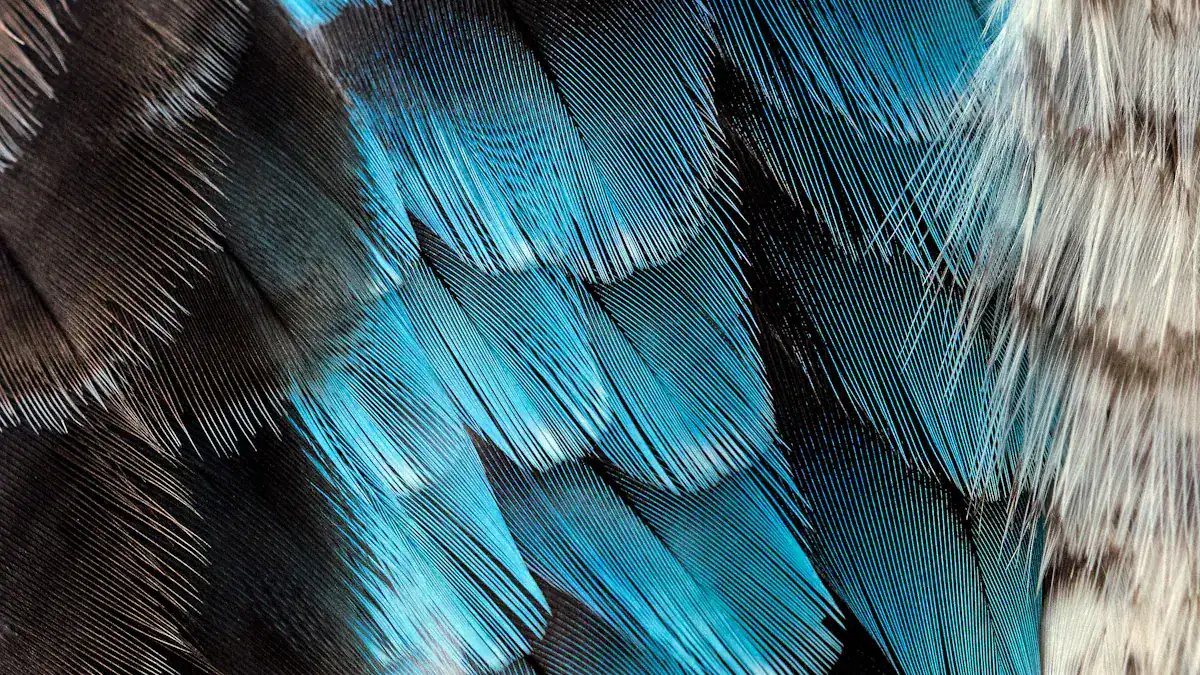
You can learn much about an eagle feather from its colors and patterns. These features are often unique to different types of eagles and their age. You will find distinct markings on each feather.
Common Color Variations
Eagle feathers show many color variations. These variations help you identify the specific types of eagles. For example, adult bald eagle feathers are very distinct. They have crisp white sections on the head and tail. Their body feathers are dark gray. You also see white on the upper underwing coverts. Golden eagle feathers are mostly brown. They often have golden hues. You might see marbling on their flight and tail feathers.
You can also identify bald eagle feathers by age. The plumage changes as the bird grows. Here is a guide to bald eagle feather colors by age:
Age Group | Body Plumage |
|---|---|
Juvenile (0-1 year) | Mostly dark brown, with white mottling on the underwing coverts and belly. The head and tail are dark brown. |
Second-year (1-2 years) | More white mottling on the body, especially on the chest and belly. The head and tail remain dark brown. |
Third-year (2-3 years) | Significant increase in white on the body. The head may show some white streaking. The tail may have a white base with a dark tip. |
Fourth-year (3-4 years) | More white on the head and tail, though still with some brown mottling. The body is predominantly dark brown. |
Sub-adult (4-5 years) | The head and tail are mostly white, with some dark flecking. The body is dark brown. |
Adult (5+ years) | Distinctive white head and tail, with a dark brown body. |
Species-Specific Banding
Many eagle feathers have specific banding patterns. These patterns help you identify the species. Immature golden eagle tail feathers show clear banding. Juvenile golden eagles usually have a white base on their tail. This white can cover more than half of the tail. Some may have less white. Others might have nearly complete white tails. As these types of eagles mature, the white changes.
Second-year birds still have a white base. By the third year, you might see a mix of white-based and all-dark tail feathers. This makes the tail look split. Fourth-year sub-adults may show small white patches on both sides of the tail. For older sub-adults, you need careful observation to see the white on the tail. These unique patterns help you distinguish different types of golden eagle feathers.
Fact 3: Quill & Shaft Characteristics
You can learn a lot about a feather by examining its quill and shaft. These parts provide important clues. They help you determine if you have an eagle feather.
Quill Thickness & Rigidity
The quill is the hollow, bottom part of the feather. You hold this part when you pick up a feather. For an eagle feather, you will notice its impressive thickness. It feels very strong and rigid. This strength helps the large bird withstand the forces of flight. A small bird’s quill feels much thinner and more flexible. You can often feel the difference just by gently pressing on it. This robust construction is a key indicator. It helps you distinguish an eagle feather from those of smaller birds.
Shaft Color
The shaft is the solid part that extends from the quill. It runs up the middle of the feather. You will observe its color carefully. Most eagle feathers have a dark shaft. This dark color often appears brown or black. However, the shaft color can show a slight color range. For example, the shaft on a Bald eagle’s white tail feather might appear lighter near the white part. This variation helps you identify specific types of feathers. Always check the entire length of the shaft for color changes.
Fact 4: The Downy Feather Base
You can find a soft, fluffy section at the base of many feathers. This is the downy portion. It provides insulation for the bird. Examining this part helps you identify an eagle feather.
Downy Portion Appearance
The downy part of an eagle feather looks soft and wispy. It feels different from the smooth, firm vane. This section traps air. It keeps the eagle warm. The ‘downy’, insulating portion of a contour feather is typically covered by the tip of another contour feather. This protects the delicate down. For Bald Eagles, the natal down, which is the first plumage, is fluffy white. Later, the thermal down replaces it. This thermal down is grayish. You will notice these distinct appearances. They help you recognize the feather.
Extent of Downy Base
The downy base of an eagle feather can extend a significant distance up the shaft. This is especially true for larger body feathers. You will see a clear transition. The soft down gives way to the firmer, more structured vane. The length of this downy section can vary. It depends on the feather’s location on the bird’s body. It also depends on the specific eagle species. This variation falls within a certain range. A large amount of downy material suggests a feather from a large bird. This is a strong indicator of an eagle feather.
Fact 5: Species-Specific Eagle Markers
You can identify different eagle species by their unique eagle feather characteristics. These specific markers help you distinguish between various eagle feather types.
Bald Eagle Feather Distinctions
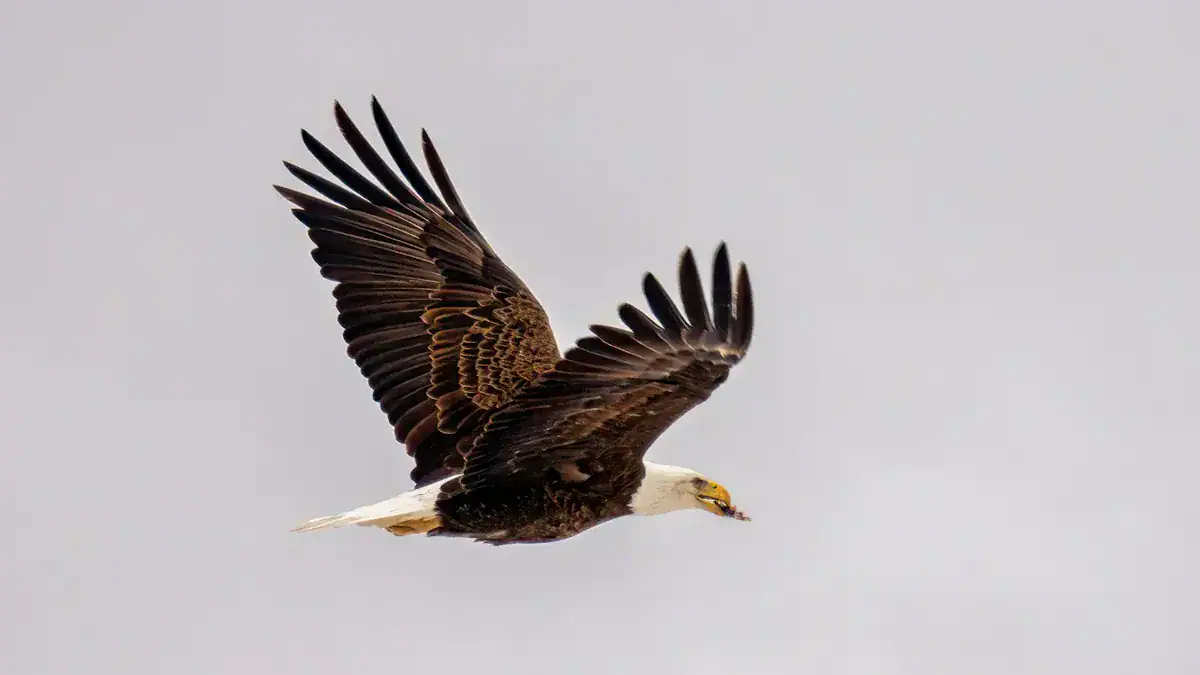
An adult bald eagle has very distinct features. You see a white head and tail. Its body and wings are dark brown. This contrasts with other large raptor types. For example, vultures have solid black bodies. Ospreys show a white underside with a black eye mask. Golden eagles have dark bodies with golden napes. These differences help you identify a bald eagle.
You can use this table to compare different raptor types:
Raptor Type | Head and Tail | Body and Wings | Other Distinguishing Features |
|---|---|---|---|
Adult Bald Eagle | White | Dark brown | Bright yellow legs and bills |
Immature Bald Eagle | Mostly dark | Brown, mottled with varying amounts of white | Attain adult plumage in about five years |
Vultures | Solid black | Solid black | Silvery panels on the underside of wings |
Ospreys | White with a distinct black eye mask | Bright white underside (except tail and flight feathers), all-dark upperside | Helps reduce sunglare while hunting |
Golden Eagles | Dark | Dark | Golden napes |
Golden Eagle Feather Distinctions
A golden eagle feather often appears dark. You will notice golden hues on its nape. This gives the bird its name. You can tell these types of eagles apart from bald eagles by their overall dark appearance. This helps you identify a golden eagle.
Juvenile vs. Adult Feathers
You also need to know the differences between juvenile and adult eagle feather types. A young bald eagle looks very different from an adult. Its plumage changes over several years. Juvenile bald eagles have dark heads and bodies. Their wings are wider and blunter. They resemble a ‘flying door’. An adult bird has a white head and tail. Its wings are more aerodynamic. They look like a ‘flying board’.
The tail of a juvenile bald eagle is longer. It can be dark with whitish mottling. An adult’s tail is typically pure white and shorter. These distinct types of feathers help you determine the bird’s age. You can see a clear range of changes as the bird matures. You can also compare the types of golden eagle feathers. Juvenile golden eagles often have white patches at the base of their tail feathers. Adults have a uniformly dark tail. These specific markers are crucial for accurate identification of eagle feather types.
This table shows you the differences between juvenile and adult eagle feathers:
Feature | Juvenile Bald Eagle | Adult Bald Eagle |
|---|---|---|
Wings | Considerably wider and blunter, resembling a ‘flying door’ with long secondaries and blunt wingtips. | More aerodynamic, resembling a ‘flying board’ (though less round than a snowboard). |
Tail | Longer, sometimes dark with whitish mottling. | Typically pure white, shorter than juveniles. |
Plumage (Year 1) | Dark brown head and body; belly may fade to paler brown near year’s end. | White head and tail, dark body. |
Plumage (Year 2) | Mostly whitish belly flecked with brown; entire head and breast remain dark, giving a ‘hooded’ look. Trailing edge of wings may appear ragged due to feather replacement. | N/A (already adult plumage) |
Plumage (Year 3) | Head whitens, belly darkens (initially white with brown flecks, then brown predominates). May have a dark brown eyestripe, initially a ‘Ninja’ or ‘bandit’ look, later thinning to a ‘faux osprey face’. | N/A (already adult plumage) |
Beak Color | Dark | Yellow |
Eye Color | Dark | Yellow |
Understanding these specific eagle markers helps you accurately identify different eagle feather types.
Fact 6: Legal Protections for Eagle Feathers
You must understand the legal protections surrounding eagle feathers. Federal laws strictly protect these birds and their parts. You cannot possess an eagle feather without proper authorization.
Migratory Bird Treaty Act
The Migratory Bird Treaty Act (MBTA) protects many bird species. This includes both the bald eagle and the golden eagle. The MBTA makes it a federal crime to ‘take’ birds or bird parts. This includes feathers. You need special permission from the Secretary of the Interior to do so.
In 1962, the MBTA was updated. This update addressed how Native American tribes can collect feathers for religious ceremonies. This practice is otherwise banned by the MBTA. You should know that bald eagles and golden eagles are on the list of migratory birds under 50 CFR 10.13.
The Bald and Golden Eagle Protection Act, enacted in 1940, also prohibits taking bald eagle or golden eagle parts. This includes their feathers, nests, or eggs. You need a permit from the Secretary of the Interior for this as well. A felony conviction under this Act can disqualify you from holding a permit.
Illegal Possession Consequences
You face serious penalties for illegally possessing eagle feathers. Under the Bald and Golden Eagle Protection Act, a first offense carries a significant fine. You could pay up to $100,000. Organizations face a $200,000 fine. You could also face imprisonment for one year, or both. A second violation of this Act becomes a felony. The Migratory Bird Treaty Act also has penalties.
Misdemeanor offenses carry a maximum fine of $5,000 for individuals. You could also face up to six months imprisonment. Organizations face a $10,000 fine. Felony offenses under the MBTA can result in a maximum fine of $250,000 for individuals. You could also face up to two years imprisonment. Organizations face a $100,000 fine. You must respect these laws.
Fact 7: Cultural Significance of Eagle Feathers
You must understand the deep cultural importance of eagle feathers. Many cultures, especially Native American tribes, hold these feathers in high regard. They are not just bird parts; they are sacred symbols.
Native American Cultural Importance
Native American tribes view eagle feathers as powerful symbols. You will find them used in many ceremonies and traditions. For example, the Comanche Nation uses whistles made from eagle wing bones. They also use fans made from eagle feathers.
These items send prayers to the Almighty. People believe eagles fly high enough to “see the face of God.” The Wiyot people incorporate feathers in their World Renewal Ceremony. The Hoopa Valley Tribe uses feathers to stay connected to their K’ixinay (First Peoples). These feathers are given in honor. You wear them with dignity and pride. If a feather drops during a dance, a special ceremony is performed to pick it up. Eagle feathers adorn sacred pipes. They symbolize the Great Spirit.
Holding them over someone’s head signifies bravery. It also wishes for bravery and happiness. Waving an eagle feather over everyone present wishes peace, prosperity, and happiness to all.
Respectful Handling
You must handle eagle feathers with great respect. This respect extends to the birds themselves. You should never harm an eagle to get its feathers. You must also avoid harming its ability to fly. If you find or receive live eagles or eaglets, perform a special ceremony. This ceremony honors and respects them. It includes washing, naming, providing a home, and offering fresh meat and water. You should release eagles after obtaining necessary feathers.
For deceased eagles intended for religious use, conduct traditional Grief and Mourning Ceremonies. These ceremonies last four days. They allow the eagle‘s spirit to return to earth. You cannot kill eagles without a federal permit. You also cannot exchange feathers for money or goods. Transfers should only be for religious or cultural purposes.
You can pick up naturally molted feathers in the wild. Do not disturb birds or nests. You can give or loan feathers to other members of federally recognized tribes without payment. You can also provide them to craftspersons from federally recognized tribes. These craftspersons create objects for tribal religious or cultural activities.
Fact 8: How to Identify an Eagle Feather: Raptor Distinctions
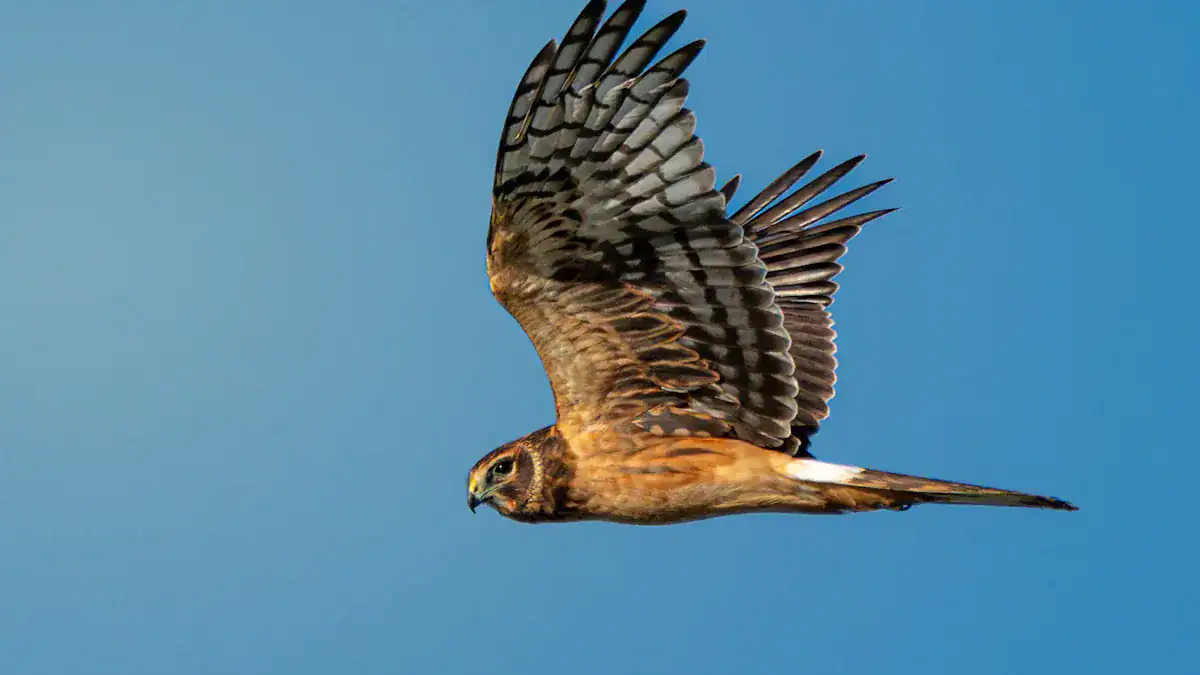
You need to know how to identify an eagle feather. Distinguishing it from other raptor feathers is important. This section helps you compare different bird feathers. This eagle feather identification chart focuses on key differences.
Eagle vs. Hawk Feathers
You often find hawk feathers. They can look similar to eagle feathers. However, you will notice size is a major difference. Eagle feathers are much larger and broader. A hawk feather is usually smaller. Its quill is also thinner. You can feel the difference in rigidity. Hawk feathers often have more pointed tips. Eagle feathers typically have rounded or slightly pointed tips. This chart helps you see these distinctions.
Eagle vs. Owl Feathers
You can easily tell an owl feather from an eagle feather. Owl feathers feel very soft. They have a velvety texture. This helps owls fly silently. An eagle feather feels much stiffer. It is more rigid. Owl feathers often have intricate barring patterns. These patterns help with camouflage. Eagle feathers have distinct color blocks or bands. The shaft of an owl feather is also less robust.
Eagle vs. Vulture Feathers
You might confuse vulture feathers with eagle feathers. Vulture feathers can be large. However, they often lack the distinct patterns of an eagle. Vulture feathers are usually solid black or dark brown. They have a duller sheen. Eagle feathers often show more vibrant colors or clear banding. The quill of an eagle feather is generally stronger. This helps you with identification. You now know how to identify an eagle feather by comparing it to other raptors.
Fact 9: Finding Eagle Feathers Naturally
You might wonder where you can find an eagle feather. Finding them naturally requires understanding their habitats. You must also consider ethical practices.
Typical Habitats
You can find eagle feathers in specific environments. Bald eagle feathers often appear near bodies of water. Look for them along coasts, bays, rivers, and lakes. These birds build large nests. You might also find feathers in and around their nesting sites. These sites include large, mature trees, cliffs, and even man-made structures. Golden eagle feathers are also found in certain places. You might discover them near fox carcasses. These birds often feed on such prey. Their nests are another common location. Wildlife managers sometimes collect feathers directly from trapped birds. This shows these areas are where feathers naturally occur.
Ethical Finding Considerations
You must always prioritize the well-being of the eagle. Never disturb a bird or its nest to find a feather. This is crucial for their safety. You should only collect feathers you find naturally on the ground. Remember, federal laws protect all eagles and their parts. This includes their feathers. Possessing an eagle feather without proper authorization is illegal. You should admire these beautiful objects in nature. Leave them where you find them unless you have specific legal permission. Respect for wildlife and adherence to conservation laws are very important.
Fact 10: Resources for Eagle Feather Identification
You need reliable tools for accurate feather identification. Many resources can help you. These tools range from online databases to expert opinions.
Online Databases & Guides
You need reliable tools for accurate feather identification. The U.S. Fish and Wildlife Service offers the Feather Atlas. This is the best resource for feather identification. It provides high-resolution images of primary, secondary, and tail feathers. You can also see feathers from both male and female birds. This is crucial for species showing sexual dimorphism. The Feather Atlas is an extensive image database. It helps you identify flight feathers from North American birds.
It features feathers from the curated collection of the National Fish and Wildlife Forensics Laboratory. You can easily browse scans or search for specific species. You can also utilize an interactive identification tool. This tool lets you select feather characteristics like pattern and color. It then helps you find potential matches. This comprehensive resource contains images of hundreds of birds. It covers male, female, and juvenile plumages. This allows for detailed comparison with feathers like those of an eagle.
This eagle feather identification chart helps you understand these powerful resources. You can upload photos of your feather. The tool guides you through a series of questions. It helps narrow down possibilities. This makes your initial assessment much more accurate and reliable. These online databases are invaluable. They provide a vast visual library. You can compare your found feather directly. This helps you learn the subtle differences between species.
Expert Verification
Sometimes, you need more than online tools. Expert verification becomes essential. You can consult organizations like the National Eagle Center. They offer valuable resources. Experts there can help confirm your feather’s identity. This is especially important due to strict legal protections. It also matters because of the profound cultural significance of eagle feathers.
Misidentification can lead to serious legal consequences. Experts possess deep knowledge of avian anatomy and feather morphology. They can spot subtle differences in barb structure, shaft characteristics, and wear patterns. These differences might not be obvious in a simple chart. They ensure your feather’s identity is correct. These experts have years of experience. They handle countless feathers. They understand the nuances of plumage development. They can distinguish between similar raptor feathers with precision. This level of detailed analysis is hard to replicate with just online images. Always seek expert opinion if you have any doubts. This protects you legally. It also honors the bird and its cultural importance.
You now understand the complexity and importance of accurate eagle feather identification. This eagle feather identification chart provides a comprehensive guide with ten crucial facts. You must respect the eagle and its feather, both legally and culturally. Always interact responsibly with wildlife. You must adhere to conservation laws for every majestic eagle. This protects the eagle and its habitat.