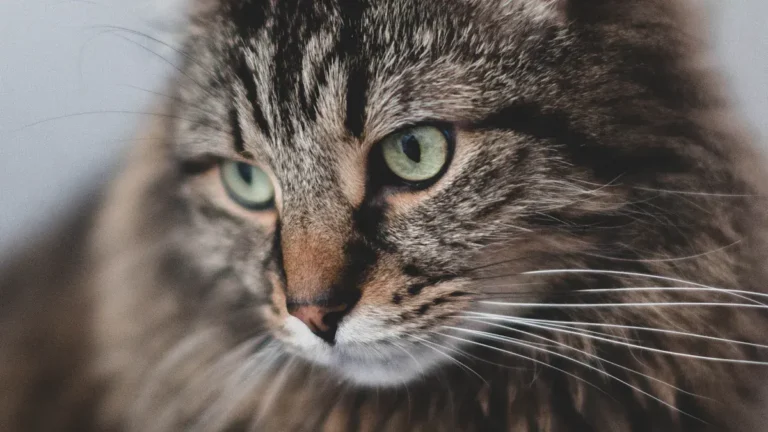

Kittens often open eyes that look bluish because pigment has not yet formed in the iris. Over weeks melanin builds and the stroma’s structure scatters light differently, so blue can shift to green, amber, or gold. Genes control at what point and how much pigment appears, so siblings might end up with different hues. Light and viewing angle also change what people see. Eye disease can alter color too, so gentle vet checks help keep eyes healthy and reveal more.
How Kitten Eye Color Develops and Changes With Age
At the moment a kitten opens its eyes for the initial time, the color often looks soft and pale, and this gentle change can feel like a small miracle to someone watching. Observers notice kitten development in clear stages as eyes deepen and settle.
In early weeks the hue might shift from blue toward green or amber. Caregivers watch eye milestones like the first steady focus, pupil response, and final color setting. People feel included once told these changes are normal and gradual.
Gentle handling and regular checkups support healthy progress and ease worries. Shared stories help new owners bond and learn. As color stabilizes over months, the community around the kitten celebrates each small, steady step.
The Science Behind Pigments and Iridial Structure
While the kitten’s changing eye color can feel like a small marvel, the true work happens at a tiny, complex level inside the iris where pigments and structure shape what people see. The iris holds layers of cells and tiny fibers known as iridial anatomy.
Light interacts with ocular pigment in the front layer while deeper structures scatter light. This mix creates warm, cool, and mixed tones that invite connection.
- Melanin levels in the stroma influence depth and warmth of color
- Structural scattering produces blue and green hues without extra pigment
- Tiny movements and pupil changes shift how color appears
Readers feel included whenever this small biology is described with care and simple clarity.
Genetic Factors That Determine Adult Eye Color
Genetic instructions passed from parent cats shape which pigment genes are active, so a kitten might inherit the capacity to produce more or less melanin in the iris.
The timing of once melanin production ramps up during development also matters, because initial or late pigment onset can change the final shade that appears. Together these inherited genes and the schedule of melanin production set the stage for the adult eye color you will see.
Inherited Pigment Genes
Because eye color feels so personal, it helps to know the genes behind it, and that knowledge can make the science less intimidating. Inherited pigment genes guide how pigment inheritance works and shape gene expression in a cat’s iris. This gives owners a way to connect with their pet and feel part of a shared story.
- Some genes carry instructions for pigment type and amount, passed from parents.
- Other genes influence where pigment settles in the iris, affecting hue and pattern.
- Interacting genes can soften, brighten, or darken tones as the kitten matures.
Together these gene effects create familiar family patterns. Clear explanations help readers belong to a community that cares about feline traits and supports one another.
Melanin Production Timing
As kittens grow, a slow switch in pigment activity often decides their permanent eye color, and this change can feel emotional for an owner observing a familiar face shift.
In many litters, timing of the melanin enzyme activation differs amid kittens, so siblings can bond yet display unique eyes. Genes set a schedule for pigment synthesis, and that schedule can delay or accelerate the darkening of irises.
The process is gentle and steady. Owners who watch feel included in a quiet metamorphosis, like witnessing a shared family story unfold.
Veterinarians and breeders often explain at what point to expect changes, which helps people feel supported. Simple tests and patience usually reveal the adult color within a few months.
The Tapetum Lucidum and Night Vision Glow
At the time a cat’s eyes catch the light at night, they can seem to glow with an otherworldly shine, and that glow comes from a special layer behind the retina called the tapetum lucidum. It helps the cat see better in dim places through reflecting light back through the retina. This nocturnal adaptation uses reflective cells to enhance tiny amounts of light.
People who cherish cats often feel connected through this shared amazement, as though pets offer a private, gentle magic.
- It increases low light sensitivity and helps hunting
- It preserves vision energy by giving light a second chance
- It creates different glow colors based on angle and pigment
Understanding this builds warmth and belonging with feline companions.
Medical Conditions That Can Alter Eye Color
Medical issues can change a cat’s eye color, and identifying those signs helps owners act quickly.
For example, iris inflammation or uveitis can make the iris look dull or blotchy, while high pressure from glaucoma often causes a cloudy or bluish tint.
Another condition, pigmentary dispersion syndrome, might release pigment that alters color and should be checked through a veterinarian promptly.
Iris Inflammation (Uveitis)
Could an inflamed iris make a cat’s eye look different and cause worry for a pet owner? Iris inflammation, called uveitis, can change color and shine. It often shows with ocular pain and a visible dullness or redness.
An immune response might drive the swelling, and owners who care deeply for their cat feel alarmed and seek comfort and answers. Signs include light sensitivity, squinting, and a cloudy or darker iris.
- Seek a vet quickly for diagnosis and treatment
- Follow prescribed medications to reduce inflammation and protect vision
- Stay close to your cat to offer calm and gentle care
This brings medical steps and emotional support together. Clear communication with a vet helps the owner feel included and enabled.
Glaucoma and Pressure
After inflammation like uveitis affects the iris, pressure inside the eye can also change and cause new worries for a caring owner. Glaucoma occurs at the time intraocular pressure rises and squeezes structures inside the eye. That pressure can push on the optic nerve and damage it, reducing vision and sometimes altering iris appearance.
A guardian who notices a dull or cloudy eye, widening pupil, or eye redness should seek help promptly. Vets measure pressure and look for signs of optic nerve stress. Treatments lower pressure with drops or surgery and aim to preserve sight.
Owners find comfort in clear explanations and teamwork with their vet. Together they watch changes, follow treatment, and keep the cat comfortable and included in family life.
Pigmentary Dispersion Syndrome
At the time pigment that normally lines the back of the iris begins to flake loose and drift into the front part of the eye, a cat can develop pigmentary dispersion syndrome, a condition that slowly changes the eye’s appearance and can threaten vision. It affects eye anatomy through releasing iris pigment into the aqueous, where it might clog drainage pathways and raise pressure.
Caregivers who love their cats can feel worried yet hopeful. Simple checks and shared routines build trust with veterinarians and pets.
- Watch for subtle color shifts in one or both eyes
- Observe any squinting, cloudiness, or changes in light response
- Keep regular veterinary eye exams and record observations
These steps help protect sight and cultivate a caring community.
Lighting, Angle, and Why Colors Look Different
As light hits a cat’s eye from different directions, the color can seem to change right before a person’s eyes, and that shift can feel surprising but is perfectly normal.
A cat’s iris sits behind a clear cornea that bends and bounces light. The angle of view matters. Light reflection from the surface and deeper layers alters what a viewer notices. Bright sunlight can wash tones, while soft indoor light can deepen them.
Move slightly and a viewpoint shift reveals flecks or rings that were concealed. People who live with cats often learn these subtle cues. It builds a shared language of care.
Gentle observation helps friends understand that color change is often about light and sight, not sudden health trouble.
Odd-Eyed Cats and the Genetics of Heterochromia
At the time a cat has two different colored eyes, people often feel a mix of surprise and amazement, and that reaction is perfectly natural. Odd eyed cats show a gentle genetic story. Genes and dominant alleles can influence pigment distribution, while iris asymmetry gives each eye its unique shade.
The trait can feel like a warm invitation to belong, as families and caretakers bond over a visible difference.
- Shared curiosity links people and pets through awe
- Simple genetics explain visible differences without judgment
- Community care helps each cat feel safe and seen
The tone stays kind and clear. It explains how biology and identity connect, so readers feel included and comforted by understanding why two colors can live together peacefully in one face.
What Eye Color Reveals About Breed and Ancestry
How much can a cat’s eye color tell about its roots and breed? A cat’s eyes can serve as gentle breed markers, hinting at heritage and familiar traits. Some breeds often show certain hues, which offer ancestry clues to those who care and observe closely.
For example, a Siamese eye color aligns with known lineage, while odd-eyed patterns can suggest specific gene lines. Readers seeking connection will find comfort in spotting these subtle signs, as they link a pet to a wider family.
At the same time, eye color alone rarely proves lineage, so other features and testing fill in missing pieces. Together these observations and tools build a clearer image, drawing owners into a shared story with their cat.