
The world faces an urgent global crisis impacting avian populations. Birds play a critical role in ecosystems. Many species are on the brink of extinction. Globally, 126 bird species are considered ‘lost to science’, lacking a documented sighting in a decade. Immediate action is imperative for these endangered species. This post presents an endangered birds chart. It details 12 specific endangered bird species requiring urgent protection. Their survival is crucial for biodiversity and ecological balance.
“We have already lost over 160 bird species in the last 500 years, and the rate of extinction is accelerating,” states Lucy Haskell, Science Officer for BirdLife.
This endangered birds list highlights critical endangered species. Understanding their plights and contributing to conservation efforts ensures their conservation.
Key Takeaways
Many bird species face extinction. Habitat loss, climate change, and pollution are big threats. These problems hurt bird populations around the world.
Twelve specific bird species need urgent help. These include the California Condor and the Kakapo. Protecting them helps keep nature balanced.
Losing birds harms our planet. Birds help spread seeds and control insects. Their disappearance affects entire ecosystems.
You can help save endangered birds. Support groups that protect birds. Reduce your waste and energy use. Talk to others about why birds are important.
Bird Endangerment
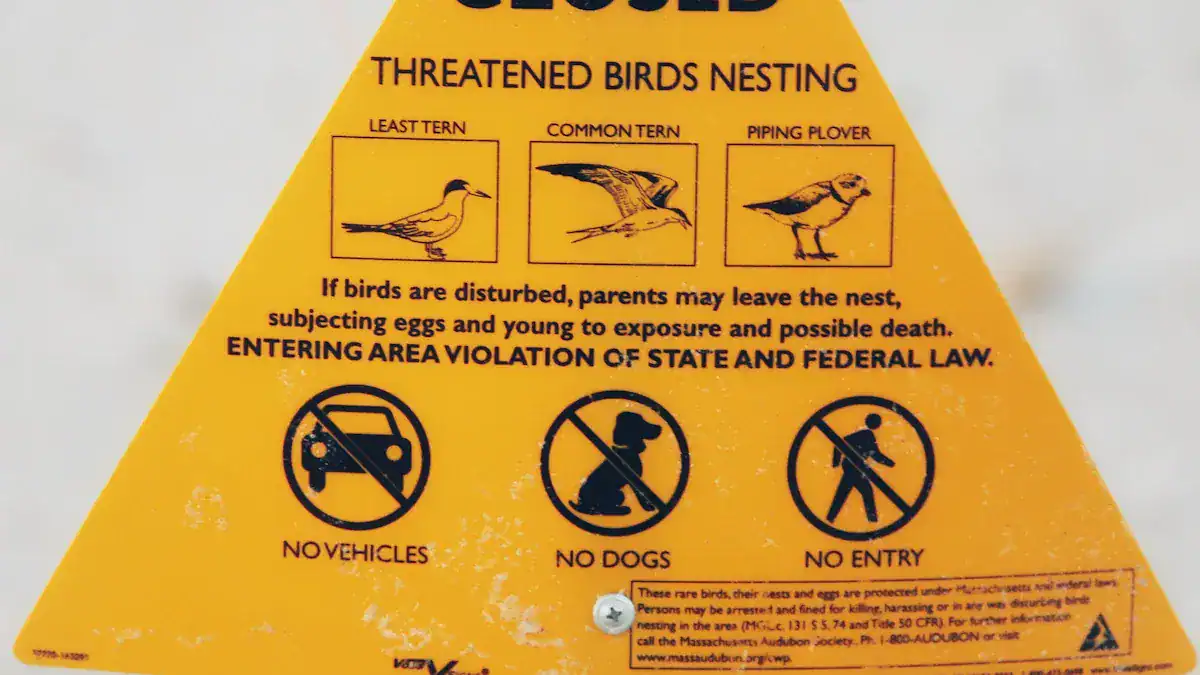
Global Avian Crisis: Current State
The world faces a significant avian crisis. Many bird populations show alarming declines. Approximately 2.12% of global bird species are currently classified as Critically Endangered. This means 233 out of 10,978 known bird species face an immediate and extremely high risk of extinction. The United States also sees many species at risk. The U.S. Fish and Wildlife Service lists 89 bird species as either threatened with extinction or endangered under the U.S. Endangered Species Act. These population declines highlight the urgent need for conservation efforts.
Major Threats: Habitat Loss, Climate Change, Pollution
Several factors drive the threat to birds. Habitat loss stands as a primary concern. Forest degradation, particularly from timber harvest and clearcutting of old forests, causes significant habitat destruction for bird populations. Species linked to old-growth forests experience the greatest habitat declines. Climate change also impacts birds.
It causes migratory species to arrive earlier in spring and breed sooner. This can create mismatches between food supplies and breeding cycles. For example, earlier caterpillar development due to warmer temperatures can leave pied flycatcher nestlings without enough food. Pollution further degrades habitat and directly harms birds. These combined pressures increase the threat of extinction for many endangered species.
Ecological Impact of Bird Loss
Losing endangered bird species has serious ecological consequences. Each species plays a unique role. When birds become extinct, their specific ecological strategies disappear. This impacts vital ecosystem functions. For instance, the loss of scavengers like vultures disrupts carrion removal. This can increase disease spread. Bird declines also negatively affect pollination, seed dispersal, and food web structures. A shift towards more insect-eating species due to extinction could make the global bird population more vulnerable to insect declines. Protecting habitat and preventing habitat loss is crucial to maintain these essential ecological services.
| Bird Name | Scientific Name | Conservation Status | Native Region | Habitat Type | Main Threats |
|---|---|---|---|---|---|
| California Condor | Gymnogyps californianus | Critically Endangered | North America (USA) | Mountainous regions, canyons | Lead poisoning, habitat loss, low reproduction rate |
| Kakapo | Strigops habroptilus | Critically Endangered | New Zealand | Forest, scrubland | Predation by introduced species, low breeding success |
| Philippine Eagle | Pithecophaga jefferyi | Critically Endangered | Philippines | Tropical rainforest | Deforestation, hunting, habitat fragmentation |
| Bali Myna | Leucopsar rothschildi | Critically Endangered | Bali, Indonesia | Dry forest, savanna woodland | Illegal pet trade, habitat destruction |
| African Grey Parrot | Psittacus erithacus | Endangered | Central & West Africa | Lowland rainforest | Pet trade, logging, deforestation |
| Forest Owlet | Heteroglaux blewitti | Endangered | India | Dry deciduous forest | Deforestation, habitat degradation |
| Yellow-eyed Penguin | Megadyptes antipodes | Endangered | New Zealand | Coastal regions, subantarctic | Climate change, fishing nets, disease |
| Blue-throated Macaw | Ara glaucogularis | Critically Endangered | Bolivia | Savannah, palm forest | Illegal pet trade, habitat loss |
| Spoon-billed Sandpiper | Calidris pygmaea | Critically Endangered | Russia, Southeast Asia | Tidal mudflats | Habitat loss, hunting, climate change |
| Whooping Crane | Grus americana | Endangered | North America | Wetlands, grasslands | Habitat destruction, power line collisions |
| Regent Honeyeater | Anthochaera phrygia | Critically Endangered | Australia | Woodland, open forest | Deforestation, competition for food |
| Black Stilt | Himantopus novaezelandiae | Critically Endangered | New Zealand | Wetlands, riverbeds | Predation, habitat degradation |
| Great Indian Bustard | Ardeotis nigriceps | Critically Endangered | India, Pakistan | Grasslands, arid plains | Habitat loss, hunting, power lines |
| Javan Hawk-Eagle | Nisaetus bartelsi | Endangered | Java, Indonesia | Tropical rainforest | Logging, habitat loss, illegal capture |
| Golden-shouldered Parrot | Psephotellus chrysopterygius | Endangered | Australia | Tropical savanna, woodland | Habitat alteration, predation |
The Critical Dozen: 12 Most Endangered Birds
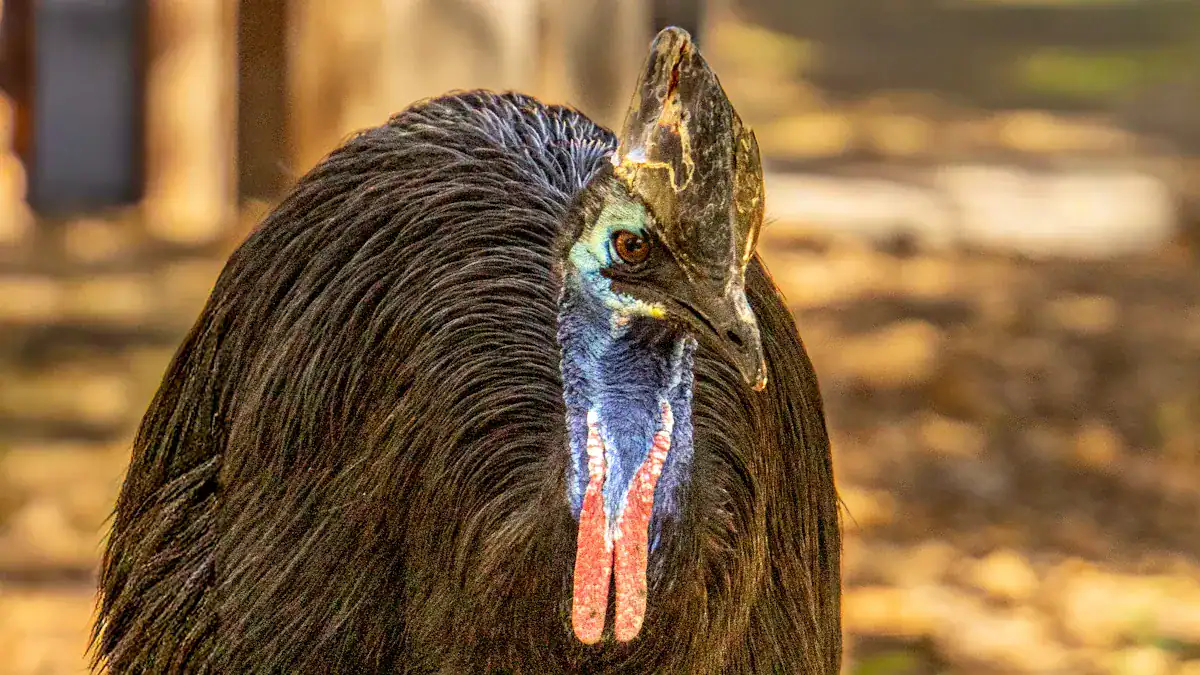
This endangered birds chart highlights twelve species facing immediate threats. Their survival depends on urgent conservation efforts. These most endangered birds represent diverse ecosystems and unique evolutionary paths. Protecting them helps preserve global biodiversity.
California Condor: Status, Threats, Conservation
The California Condor is a majestic scavenger. It holds a ‘Critically Endangered’ status on the IUCN Red List. Its Green Status assessment shows it is ‘Largely Depleted’. However, it has high potential for recovery due to intensive conservation efforts.
Lead poisoning is a major threat to condors. It comes from ammunition. This poisoning caused nearly half of all California condor deaths in 1992. It remains a persistent issue. Elevated lead exposure emerged in the mid-1970s. It likely contributed to their near-extinction in the 1980s. Microplastics and pesticides like DDT also threaten them. DDT causes eggshell thinning and breakage. Managing the lead threat is crucial for the California Condor population’s full recovery. Even after lead ammunition bans, lead toxicosis cases still occur.
Conservation programs focus on captive breeding and reintroduction. These programs have slowly increased their numbers. Strict regulations on lead ammunition in condor ranges also help. These efforts aim to establish self-sustaining wild populations.
Kakapo: Status, Threats, Conservation
The Kakapo is a unique, flightless parrot from New Zealand. The IUCN Red List identifies the Kakapo as ‘Critically Endangered’.
Habitat loss is a primary threat. Human activity reduces breeding areas and food sources. This leads to fragmented environments. Introduced predators like cats, rats, and stoats hunt these slow-moving birds. They cause high mortality. Low genetic diversity also weakens their resilience to diseases. Parasites heavily impact their health. They reduce life expectancy and breeding output.
Conservation efforts involve moving all known Kakapo to predator-free islands. Scientists closely monitor each bird. They manage breeding to increase genetic diversity. This species at risk benefits greatly from these dedicated conservation programs.
Spix’s Macaw: Status, Threats, Conservation
The Spix’s Macaw is a vibrant blue parrot. It is listed as ‘Critically Endangered’ by the IUCN. Its conservation status is ‘Extinct in the Wild’.
Habitat loss is a critical threat. It historically led to the Spix’s Macaw’s extinction in the wild. Illegal poaching also significantly contributed to the species’ decline. New wind energy projects in reintroduction areas pose collision risks. Goat overgrazing ravages sensitive habitats. This hinders reforestation efforts crucial for the macaw’s recovery. A reintroduction program faces uncertainty. Administrative turmoil has cast doubt on future efforts. This raises concerns about a potential ‘second extinction’ in the wild.
Conservation focuses on captive breeding and reintroduction to its native Brazilian habitat. These efforts aim to restore a wild population.
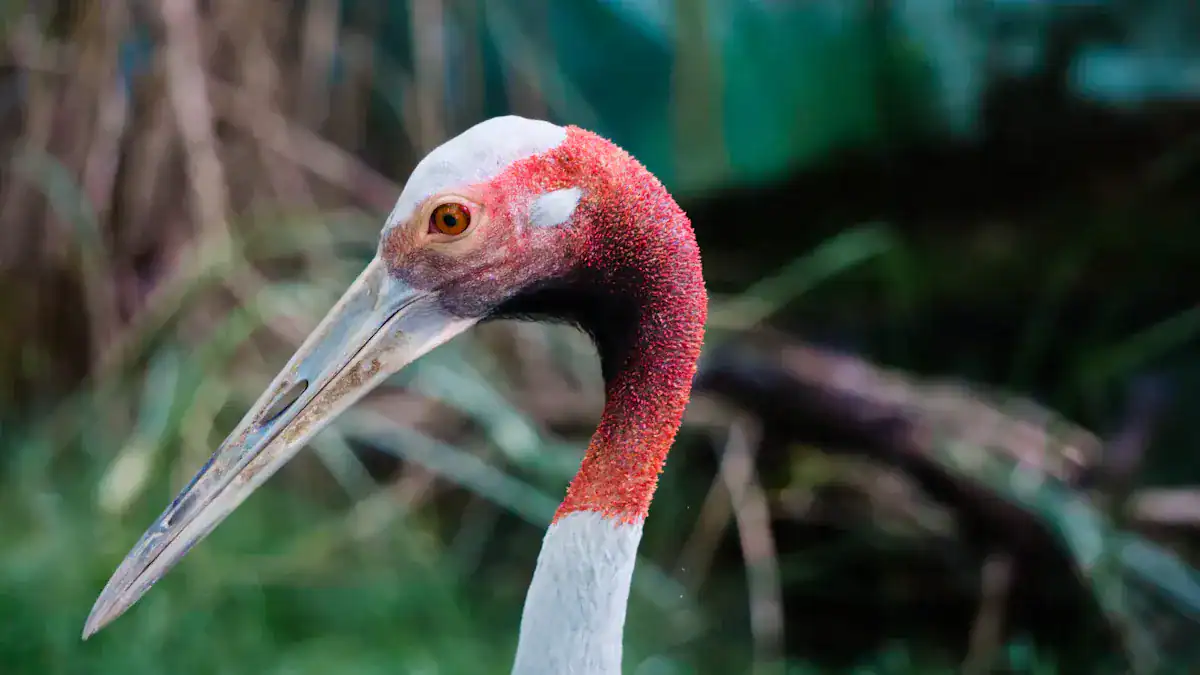
Whooping Crane: Status, Threats, Conservation
The Whooping Crane is North America’s tallest bird. The IUCN has categorized the Whooping Crane as ‘Endangered’.
Habitat loss is a major threat. Collisions with wind turbines and power lines also cause deaths. Illegal shooting by hunters remains a problem. Pollution from contaminant spills harms them. Human disturbance and disease also pose risks. Predation, especially by bobcats, affects some populations. Low genetic diversity makes them vulnerable. Natural catastrophes like drought and hurricanes threaten them. Human-caused catastrophes like oil spills also pose a risk. Alteration and destruction of habitat continue. This includes wetland drainage and increased development. Climate change causes more frequent and severe droughts. This reduces river flows and degrades migration roost habitat.
Conservation efforts include habitat protection and captive breeding. Scientists track migratory patterns. They work to reduce human-caused mortality. These conservation efforts help this endangered bird.
Philippine Eagle: Status, Threats, Conservation
The Philippine Eagle is one of the largest and most powerful forest raptors. The IUCN Red List classifies it as ‘Critically Endangered’.
Hunting poses a threat. People hunt Philippine eagles as trophy birds. They see them as a threat to domestic animals. They also see them as competitors for human-valued prey. Pollution also affects them. DDT-based pesticides in the 20th century caused thinner eggshells. Habitat loss is the biggest current threat. Over 70% of Philippine forests cleared since the 1970s. This pushes eagles to higher altitudes. It fragments their habitat. Illegal logging and mining also destroy habitat. Hydroelectric projects reduce nesting sites. Climate change causes destructive typhoons. Human population growth leads to slash-and-burn farming. It also causes illegal hunting and trapping. Pesticide pollution from monocrop plantations is a serious concern.
Conservation programs focus on protecting remaining forest habitat. They also work to raise public awareness. Captive breeding programs aim to increase their numbers.
Northern Spotted Owl: Status, Threats, Conservation
The Northern Spotted Owl lives in old-growth forests. Its current IUCN conservation status is ‘Near Threatened’.
Habitat loss and habitat fragmentation are primary threats. Clear-cuts and even-age forest management destroy their homes. Barred owl encroachment is a significant factor. Barred owls invade from eastern North America. They negatively impact the Northern Spotted Owl’s survival and reproduction. Climate change, urban expansion, and water development also threaten them.
Conservation efforts focus on protecting old-growth forests. They also manage barred owl populations. This helps reduce competition for the Northern Spotted Owl.
Orange-bellied Parrot: Status, Threats, Conservation
The Orange-bellied Parrot is a small, migratory parrot. The IUCN lists it as ‘Critically Endangered’.
A significant threat is the high death rate of juvenile Orange-bellied Parrots. This occurs during migration and winter. Habitat loss and degradation in their non-breeding range also pose a problem. Changes to fire management practices in their breeding range affect them. A very small population size leads to genetic decline. A new threat is a windfarm approved in their migratory path. Experts warn this could jeopardize the species’ survival. It poses a risk of bird collisions with turbines.
Conservation efforts include captive breeding and habitat restoration. Scientists monitor their migration routes. They work to mitigate threats from development.
Mauritius Kestrel: Status, Threats, Conservation
The Mauritius Kestrel is a small falcon. Its conservation status is ‘Endangered’. The species was uplisted to endangered in 2014. This was due to a decline in its population.
Deforestation for housing and infrastructure threatens the Mauritius Kestrel. Invasive plants and animals also pose a significant risk. Dwindling numbers of prey, like endemic day geckos, also affect them. Habitat deterioration from exotic vegetation makes it harder for kestrels to find prey. Introduced mammals like rats, monkeys, cats, and mongooses attack nests. Historically, DDT-based pesticides caused eggshell thinning. The limited amount of original habitat restricts population growth. This small population is vulnerable to natural disasters like cyclones.
Conservation programs have successfully brought this species back from the brink. They include captive breeding and reintroduction. Habitat management also plays a role.
Forest Owlet: Status, Threats, Conservation
The Forest Owlet is a small owl found in central India. The Forest Owlet is listed as ‘Endangered’ on the IUCN Red List since 2018. Its population is fewer than 1,000 mature individuals.
Habitat destruction from human activities is a primary threat. Illegal logging, especially of teak trees, removes crucial nesting sites. Fuelwood extraction also contributes to habitat loss. Expanding agricultural practices cause habitat fragmentation. Deforestation negatively impacts breeding success. It removes large, old trees with cavities for nesting. Local people steal eggs and chicks for trade, black magic, and gambling.
Conservation efforts focus on protecting its forest habitat. They also work to raise awareness among local communities. This helps prevent illegal activities.
Stresemann’s Bristlefront: Status, Threats, Conservation
The Stresemann’s Bristlefront is a rare bird from Brazil. Its IUCN Status is ‘Critically Endangered’.
Habitat loss due to deforestation is a major threat. Predation pressure also affects this species. Its limited range and small population size make it very vulnerable. This endangered bird faces a high risk of extinction.
Conservation efforts focus on protecting its remaining forest habitat. Researchers try to understand its specific needs.
Hawaiian Crow (‘Alalā): Status, Threats, Conservation
The Hawaiian Crow, or ‘Alalā, is native to Hawaii. The IUCN Red List ranks the ‘Alalā as ‘Extinct in the Wild’.
Logging, agricultural development, and loss of native pollinators impact their habitat. Alterations by non-native ungulates affect food acquisition. Introduced diseases like avian pox and malaria also threaten them. Invasive predators, including rats, mongooses, and cats, consume eggs and nestlings. Humans also persecuted them. Feral pig hunters shot birds to prevent alarm calls. Habitat loss due to ranching and agricultural development restricted them to higher elevations.
Conservation programs focus on captive breeding. They also aim for reintroduction into protected areas. These intensive conservation efforts try to establish a wild population again.
Blue-throated Macaw: Status, Threats, Conservation
The Blue-throated Macaw is a striking parrot from Bolivia. The IUCN Red List lists it as ‘Critically Endangered’. Its population is very small. It is on the verge of extinction in the wild.
Habitat loss due to cattle ranching is a primary threat. The illegal pet trade also captures many birds. This reduces wild populations. Competition for nesting sites with other species also affects them.
Conservation efforts include protecting its palm forest habitat. They also work to combat the illegal pet trade. Artificial nest boxes help provide safe breeding sites. These successful conservation programs aim to increase their numbers.
How to Help Protect Endangered Birds
Individuals can take many steps to help protect endangered birds. Collective action makes a significant difference for these vulnerable species. Everyone plays a role in ensuring their survival.
Support Conservation Organizations
Many groups work to save endangered species. They conduct vital research and protect critical habitat. Readers can donate to these organizations. Financial support helps fund their conservation efforts. These groups often run specific conservation programs. They also manage breeding programs for rare birds. Supporting them directly contributes to the protection of wildlife.
Reduce Your Environmental Footprint
Daily choices impact the environment. People can reduce energy use at home. They can choose sustainable products. Minimizing waste also helps. These actions lessen pollution and protect natural habitat. A smaller environmental footprint means less pressure on fragile ecosystems. This directly benefits birds and their homes.
Advocate for Policy Change
Government policies influence wildlife protection. Citizens can contact their elected officials. They can ask for stronger laws to protect endangered birds. Supporting legislation that funds conservation efforts is important. This advocacy helps create lasting change. It ensures long-term protection for species and their habitat.
Educate Others
Sharing knowledge helps raise awareness. People can talk to friends and family about endangered birds. They can explain why conservation is important. Educating others encourages more people to get involved. This collective understanding strengthens overall conservation efforts. It builds a community dedicated to protecting our planet’s birds.
The 12 endangered bird species highlighted in this endangered birds chart face severe threats. Their potential extinction has broad implications for global biodiversity. Their survival depends on collective, immediate action. Understanding these threats and participating in conservation efforts is crucial for every endangered bird. Readers must engage with conservation initiatives. Support relevant organizations. Make conscious choices to protect these critical birds and their habitat for future generations.