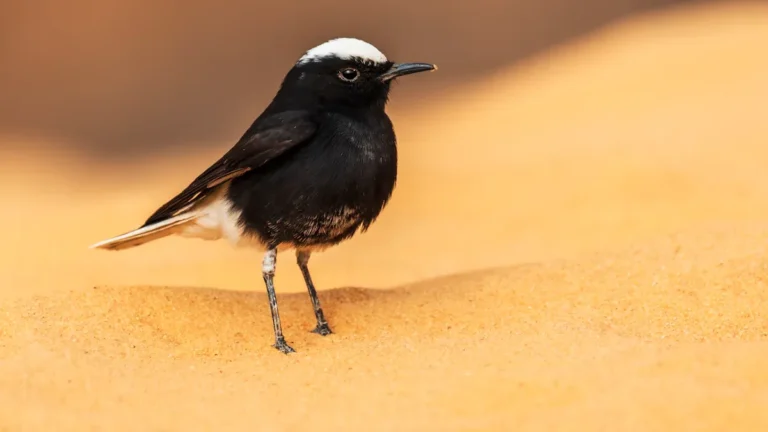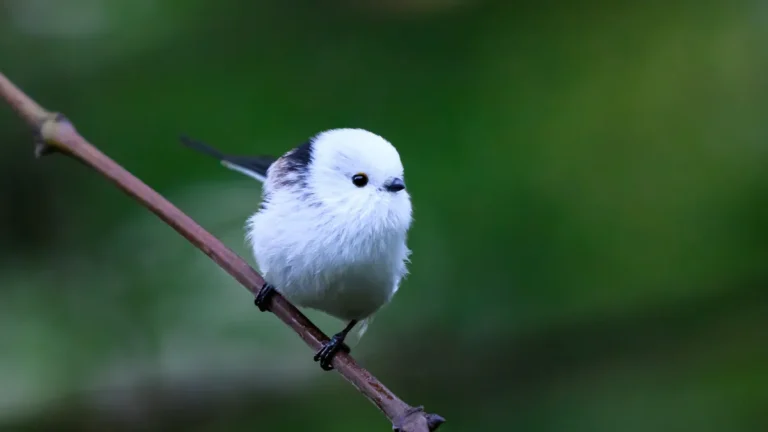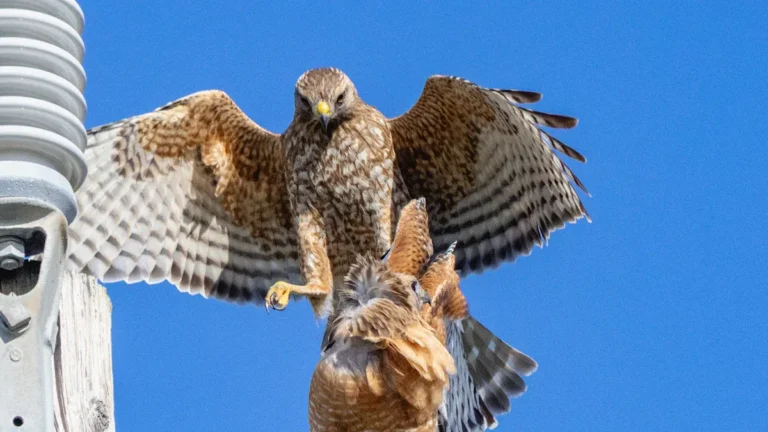

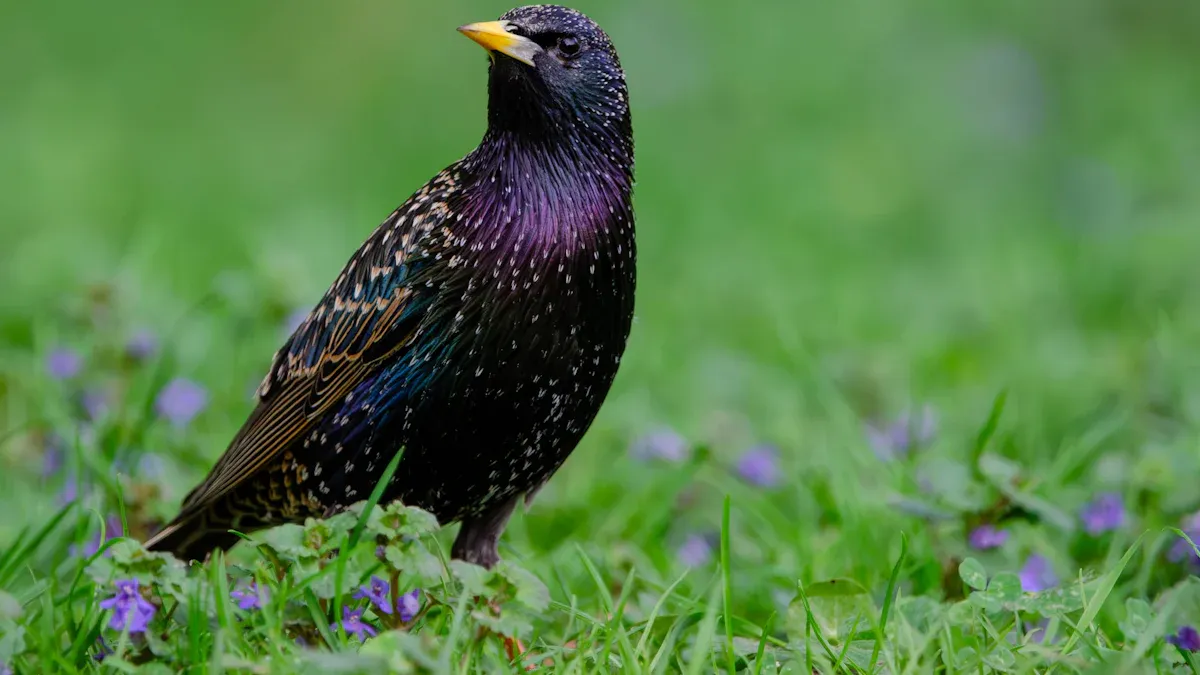
Germany boasts a vibrant avian landscape. Its central European location makes it a crucial crossroads for many migratory and resident bird species. This guide offers a comprehensive checklist and practical advice for observing Germany Birds. Novice birdwatchers and experienced ornithologists will find immense value within these pages.
Key Takeaways
Germany has many different bird species. Its varied landscapes like forests and wetlands provide homes for them.
Birdwatching in Germany is best in spring and autumn. You can see many birds during migration.
Use binoculars for birdwatching. Always watch birds from a distance to keep them safe.
Protecting bird habitats is important. This helps many bird species continue to live in Germany.
German Avian Landscape
Habitats and Diversity
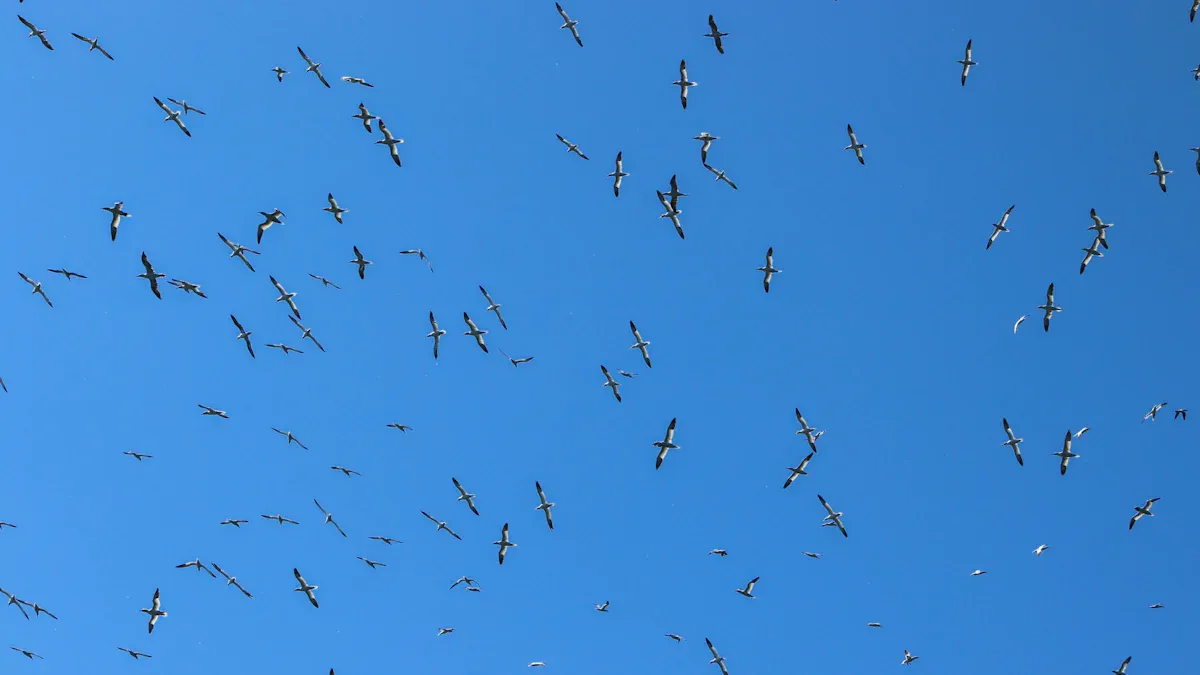
Germany’s landscape offers many different homes for its birds. These varied habitats support a rich diversity of Germany Birds. Primary bird habitats include vast forests, open meadows, and cultivated fields. Wetlands and river landscapes also provide crucial environments for many species. Even cities and gardens offer important spaces for birds to live and find food. The coniferous forests of the Central Uplands and Alpine regions, along with extensive reed landscapes, host unique bird populations. This wide range of environments allows many different bird species to thrive across the country.
Climate and Birdlife
Germany’s climate greatly influences bird migration patterns. Weather conditions like wind, temperature, and precipitation are very important for birds moving during autumn. A long study on Heligoland island showed these weather factors explain up to 80% of yearly changes in autumn migration. Wind conditions are especially important for birds traveling within Europe. Temperature and precipitation strongly affect birds flying long distances to Africa. Germany’s changing climate, with warmer winters and more frequent heavy rainfalls, also alters bird migration. For example, cranes now return to Germany as early as January. Some species, like cranes and white storks, increasingly winter closer to their breeding grounds, such as in eastern France or central Germany. This shift happens because climate change affects their food supplies and habitats.
Key Ecosystems
Forests are the most significant ecosystems for birdlife in Germany. They cover about one-third of the country. Many factors influence bird diversity and richness within these forests. These factors include the forest’s location, its altitude, and the age of the trees. The amount of deadwood in a forest is also very important. Older forests, especially those over 100 or 200 years old, have a lot of deadwood. This deadwood volume, often between 46.3 to 52.9 cubic meters per hectare, greatly benefits forest birds. It is especially helpful for species that nest in tree cavities and those that live in deciduous forests.
Bird Classification
Taxonomy Basics
Bird classification helps us understand the relationships between different bird species. Scientists use a system called the Linnaean System of Nomenclature. Carl Linnaeus created this system in the 18th century. It uses Latin scientific names for every species. Each species name has two parts. The first part is a capitalized genus name. This name shows a group of similar birds. The second part is a non-capitalized specific epithet. This part tells us the exact bird within that genus. For example, Piranga rubra is the scientific name for the Summer Tanager. Linnaeus also set up a hierarchy of ranked groups. This hierarchy organizes birds into broader categories. Common ranks include order, family, and genus. These groups help show which birds are more closely related.
Naming Conventions
The International Commission on Zoological Nomenclature (ICZN) Code guides the scientific names of birds. This code sets rules for naming. It states that a name points to an individual bird, called a ‘type’ specimen. This helps standardize names. The Principle of Priority is also very important. It solves naming conflicts. If different names exist for the same species, scientists use the oldest valid name. This principle started with names Linnaeus used in 1758. It applies to both species and genus names. Scientists translate complex phylogenetic trees, which show bird relationships, into simpler linear checklists. Ranked groups help keep some of the information about these relationships in these lists.
Conservation Status
Understanding a bird’s conservation status is vital. It tells us if a species faces threats. This information helps protect birds and their habitats. Germany has many protected areas, like Natura 2000 sites. These sites fall under the Habitats Directive. Assessments from 23% of Germany’s Natura 2000 sites show a concerning trend. Only 4% of species’ assessments report a favorable conservation status. This means many bird species in these protected areas still need more help. Conservation efforts aim to improve these numbers. They work to ensure a healthy future for Germany’s diverse bird populations.
Germany Bird Checklist
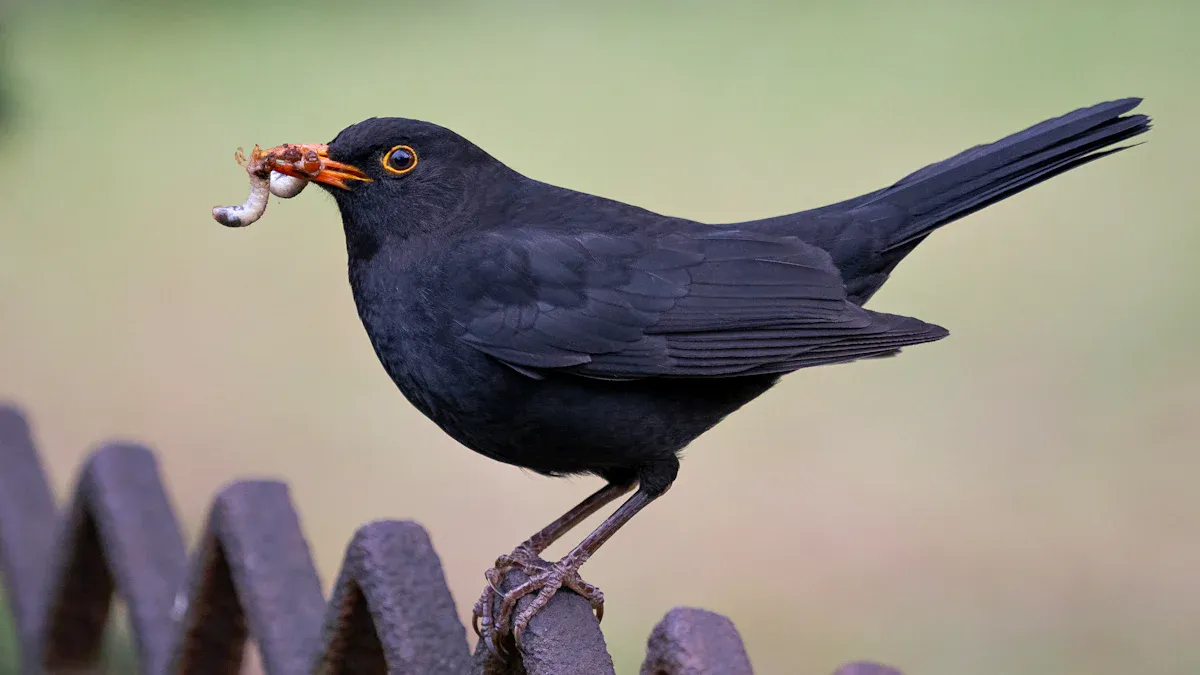
Germany offers a remarkable array of bird species. As of May 2023, a total of 555 confirmed bird species have been recorded. This comprehensive checklist provides common English names, scientific (Latin) names, and German names. It also includes current status information, such as conservation status or if a species is rare, occasional, or introduced. This list refers to official checklists like the “Checklist of the birds of Germany” (Version 3.2, 527 species) for accuracy.
Passeriformes
Passeriformes, or perching birds, form the largest order of birds. They include many familiar songbirds. These birds show great diversity in size, color, and song.
Finches and Sparrows
Finches and sparrows are small, seed-eating birds. They often live near human settlements. The House Sparrow (Passer domesticus, Haussperling) is a common sight. The Chaffinch (Fringilla coelebs, Buchfink) sings a cheerful song in many German gardens and forests.
Thrushes and Warblers
Thrushes and warblers are known for their beautiful songs. The Song Thrush (Turdus philomelos, Singdrossel) fills the air with its varied melodies. Many warbler species, like the Common Whitethroat (Sylvia communis, Dorngrasmücke), migrate through Germany. They often hide in dense bushes.
Tits and Nuthatches
Tits and nuthatches are small, active birds. They often forage on tree trunks and branches. The Great Tit (Parus major, Kohlmeise) is a bold and common visitor to bird feeders. The Eurasian Nuthatch (Sitta europaea, Kleiber) climbs headfirst down trees.
Crows and Jays
Crows and jays are intelligent and often noisy birds. The Carrion Crow (Corvus corone, Rabenkrähe) is widespread across Germany. The Eurasian Jay (Garrulus glandarius, Eichelhäher) is a colorful bird of the forest. It often collects acorns.
Waterfowl
Waterfowl thrive in Germany’s many lakes, rivers, and coastal areas. These birds have adapted to life on or near water.
Ducks, Geese, and Swans
German lakes and rivers host many types of ducks, geese, and swans. You can spot the colorful Mandarin Duck (Aix galericulata, Mandarinente). The Common Shelduck (Tadorna tadorna, Brandgans) also lives here. Other ducks include the Eurasian Wigeon (Mareca penelope, Pfeifente) and the Common Pochard (Aythya ferina, Tafelente). The Greater Scaup (Aythya marila, Bergente) and the Wood Duck (Aix sponsa, Brautente) also appear. The Tufted Duck (Aythya fuligula, Reiherente) and Velvet Scoter (Melanitta fusca, Samtente) are present. The White-headed Duck (Oxyura leucocephala, Weißkopfruderente) is a rarer sight. The Common Merganser (Mergus merganser, Gänsesäger) dives for fish. Greylag Geese (Anser anser, Graugans) are common. Mallards (Anas platyrhynchos, Stockente) are perhaps the most common duck species.
Divers and Grebes
Divers and grebes are expert swimmers and divers. They catch fish and other aquatic prey. The Great Crested Grebe (Podiceps cristatus, Haubentaucher) is a striking bird. It performs elaborate courtship displays on the water. The Eurasian Coot (Fulica atra, Blässhuhn) is also a common sight on German waters.
Birds of Prey
Birds of prey are powerful hunters. They have sharp talons and keen eyesight.
Eagles and Kites
Germany is home to impressive eagles and kites. The Osprey (Pandion haliaetus, Fischadler) is also known as ‘Fish Eagle’ in German. This species has made a strong comeback. Estimates show 700 to 721 breeding pairs now live in Germany. They breed mainly in the North-East. They are slowly spreading to new areas. The White-tailed Eagle (Haliaeetus albicilla, Seeadler) is Germany’s national bird. Its population has grown greatly since reunification. From about 140 pairs, the population now stands at 628-643 pairs. Most breed east of the Elbe river.
Hawks and Buzzards
Hawks and buzzards are common birds of prey. The Common Buzzard (Buteo buteo, Mäusebussard) is often seen soaring over fields. The Eurasian Sparrowhawk (Accipiter nisus, Sperber) hunts smaller birds in woodlands.
Falcons
Falcons are swift and agile hunters. They catch prey in mid-air. Young Peregrine Falcons (Falco peregrinus, Wanderfalke) have brownish underparts. This helps distinguish them. The Red-footed Falcon (Falco vespertinus, Rotfußfalke) is a highly sociable bird. It travels in flocks.
Feature | Male Red-footed Falcon | Female Red-footed Falcon | Juvenile Red-footed Falcon | Social Behavior |
|---|---|---|---|---|
Plumage | Dark grey | Reddish-brown cap, dark-streaked underparts | Mottled brown, lighter than females | Highly sociable, travels in flocks |
Other | Striking red feet, legs, and undertail | N/A | N/A | Sets it apart from most birds of prey |
Owls
Owls are nocturnal hunters. They have excellent night vision and silent flight. The Barn Owl (Tyto alba, Schleiereule) is a nocturnal creature. It lives in abandoned barns. It helps control rodent populations. The Tawny Owl (Strix aluco, Waldkauz) is also a nocturnal hunter. It glides silently to catch unsuspecting prey. Woodland rodents make up much of its diet.
Waders and Gulls
Waders and gulls frequent Germany’s coastlines, wetlands, and inland waters.
Plovers and Sandpipers
Plovers and sandpipers are waders. They prefer wet environments. They search for insects and other small creatures in damp soil. Along coastlines, including the Wadden Sea, they forage on intertidal flats during low tide. They look for preferred benthos species. Their feeding spots depend on sediment types like muddy, sandy, or mixed. These sediments determine their prey’s presence. Waders also change their feeding strategy with the tides. They feed actively as water recedes. They continue feeding during low tide when parts of the lower flats are still wet. They also follow the waterline as it rises.
Gulls and Terns
Gulls and terns are often found near water. They are opportunistic feeders. The Herring Gull (Larus argentatus, Silbermöwe) is a common sight along the coast. The Common Tern (Sterna hirundo, Flussseeschwalbe) dives for fish.
Storks and Herons
Storks and herons are large wading birds. They often live in wetlands. A significant population of white storks (Ciconia ciconia, Weißstorch) breeds in Germany. In 2008, Germany had 4,482 white stork pairs. Most of these pairs lived in eastern Germany. Brandenburg had 1,296 pairs. Mecklenburg-Vorpommern had 863 pairs. White storks often nest near human settlements. They frequently reuse old nests. They show high loyalty to their nesting sites. These adaptable birds change their nesting habits based on available sites and materials. Historically, they nested in trees. Now, they use human-made sites like roofs and chimneys. Electrical pylons are now the most common nesting places for white storks in Central-Eastern Europe.
Game Birds
Game birds are often hunted for sport or food. The Mallard (Anas platyrhynchos, Stockente) is a popular game bird. It lives in shallow waters. The Common Wood Pigeon (Columba palumbus, Ringeltaube) is also a popular game bird, especially during migration. It mainly lives in woods.
Woodpeckers
Woodpeckers are known for drumming on trees. They search for insects. The Middle Spotted Woodpecker (Dendrocopos medius, Mittelspecht) has been seen in city parks in Berlin. The European Green Woodpecker (Picus viridis, Grünspecht) also lives in Germany. Over half of its European population may reside in France and Germany.
Other Species
Many other fascinating Germany Birds contribute to the country’s rich avian diversity. These include various cuckoos, swifts, kingfishers, and many more. Each species plays a unique role in Germany’s ecosystems.
Birding in Germany
Birdwatching in Germany offers many rewarding experiences. The country’s diverse landscapes provide habitats for a wide range of avian species. This section offers practical advice for birdwatching. It covers top locations, best times to visit, essential equipment, and ethical practices.
Top Birding Sites
Germany boasts many excellent birdwatching locations. Each site offers unique opportunities to observe different species. The Wadden Sea is famous for its vast numbers of ducks and waders. The Deutsch-Belgischer Naturpark, especially the Ruhrsee, attracts Kites, three species of Buzzard, Osprey, and Storks. Lake Constance (Bodensee), an inland sea in Bavaria and Baden-Württemberg, also draws many water birds. The Alps are home to raptors like the Golden Eagle and various Mediterranean visitors such as Bee-eaters. The wide-ranging forests of Central Germany are ideal for woodland birds.
Germany also has 16 national parks. These include Jasmund, Vorpommern Lagoon Area, Müritz, Wadden Sea, Harz, Hainich, Black Forest, Saxon Switzerland, Bavarian Forest, and Berchtesgaden National Parks. These protected areas are crucial for many species. Birdwatchers can find Black Kites, Garganey, and Black Terns in various wetlands. The majestic White Stork and White-tailed Eagle are also present in certain regions. Forested areas host species like the Short-toed Treecreeper, Crested Tit, Black Woodpecker, Middle-spotted Woodpecker, and Lesser-spotted Woodpecker. Recent rare sightings include the Laughing Gull, Common Rock Thrush, Red-headed Bunting, Spanish Sparrow, Egyptian Vulture, Eastern Imperial Eagle, and Western Orphean Warbler. Common birds often photographed include the Common Cuckoo, Common Kestrel, Common Buzzard, Great Egret, Spotted Flycatcher, and Meadow Pipit.
Best Seasons
Timing a birding trip to Germany can greatly enhance observations. Late winter and spring are excellent for viewing bird migration. In areas like Ahsewiesen, hundreds of Common Cranes roost during late winter. A diverse array of ducks and waders can be seen during spring migration. Spring is the best time to visit many locations.
The optimal months for observing breeding birds are primarily spring and early summer, roughly between March and June. April to June is the peak period for most songbirds. This includes tits, sparrows, and finches. Migratory birds like the common redstart or house martin start breeding later, from May to July. They begin after returning from their wintering grounds. Autumn is also a prime season for observing migratory birds in Germany. October is a particularly active month. Millions of birds move along the North Sea coast, East Frisian Islands, and Baltic Sea. This includes tens of thousands of cranes.
Essential Gear
Having the right equipment makes birdwatching more enjoyable and effective. Binoculars are the most crucial tool for birders. There is no single best binocular for everyone. The ideal choice depends on specific needs. For example, twitching, forest birding, or coastal birding each have different requirements. Birders should decide if they need binoculars for a specific niche or a good all-around pair.
Magnification is a primary consideration. However, “bigger is not always better.” High magnification has drawbacks. It can lead to a narrower field of view, less depth of focus, and dimmer images. It also makes maintaining a steady view difficult. Tripods or image stabilization technology can help with high magnification issues. However, these do not solve problems like a smaller field and depth of view.
Ethical Birding
Responsible birdwatching ensures the well-being of birds and their habitats. Always observe birds from a distance. Use binoculars or a scope to get a closer look without disturbing them. Avoid flushing birds from nests or roosting sites. This is especially important during breeding season. Stay on marked paths and trails to minimize habitat disturbance. Never use playback devices to attract birds. This can stress them and disrupt their natural behaviors. Do not share locations of sensitive nesting sites or rare birds. This protects them from undue attention or harm. Respect private property and local regulations. Leave no trace behind. These practices help protect Germany Birds for everyone to enjoy.
Birding Resources
Birdwatchers benefit from many helpful tools and organizations. These resources enhance the birding experience. They also support bird conservation.
Field Guides and Apps
Good field guides are essential for identifying birds. The ‘Collins Bird Guide’ is a top recommendation for Europe, including Germany. Lars Svensson, Killian Mullarney, Dan Zetterstrom, and Peter J. Grant wrote this popular guide. Many users consider it the best choice. It offers high quality and a clear structure. The newest version includes German, scientific, and English names. This guide is available as a practical paperback and an app.
Organizations and Societies
Several organizations support ornithology in Germany. The Deutsche Ornithologen-Gesellschaft (DO-G) is a key society. It is also known as the German Ornithologists’ Society. Johann Friedrich Naumann, August Carl Eduard Baldamus, and Eugen Ferdinand von Homeyer founded it in Leipzig in 1850. This makes it the oldest ornithological society in the world. It was also one of the first scientific societies dedicated to Zoology. The DO-G formed around the publication of the Journal für Ornithologie in 1853.
Online Communities
Online platforms connect birdwatchers. They share sightings and information. BirdForum is the internet’s largest birding community. It features a dedicated ‘Germany’ forum. Ornitho.de is another useful site. German birdwatchers use it for tracking sightings. It is available in English. Birdinggermany.de also provides resources. Publishers of a German birdwatching book series operate this site.
Conservation Efforts
Conservation efforts protect Germany’s bird populations. Protecting grassland habitats is a priority. This prevents their conversion to cropland. Extensively managed grasslands and dense forest edges help most bird species. Barn swallows and sedge warblers depend on these grasslands. They benefit from domestic animals, nesting sites, and foraging areas. Forest edges and linear landscape elements, like hedges, are important for bird communities. They offer undisturbed habitats with complex vegetation.
Conservation efforts in Special Protection Areas (SPAs) show mixed results. Initially, 62% of studied species were more likely to be found in SPAs. This indicated good area selection. However, only 17% showed positive developments within SPAs between 2012 and 2022. These positive changes mainly helped meadow birds. This suggests that designating an SPA is not enough. These areas need better staffing and funding for habitat restoration. They also need targeted measures to support endangered species.
Germany boasts incredible avian diversity. Birdwatching here offers many rewarding experiences. This guide highlighted key habitats and practical tips. Remember the importance of conservation and responsible birding practices. We encourage everyone to embark on their own birdwatching adventures in Germany. Discover the profound joy of connecting with nature through its magnificent Germany Birds.
FAQ
What is the total number of bird species found in Germany?
Germany has recorded 555 confirmed bird species. Official checklists, such as the “Checklist of the birds of Germany,” list 527 species. This number highlights the country’s rich avian diversity.
When are the best seasons for birdwatching in Germany?
Spring, from March to June, is excellent for observing breeding birds and migration. Autumn, especially October, is also a prime time. Millions of migratory birds, including cranes, move along the coasts during this period.
What is the most important piece of equipment for birdwatching?
Binoculars are the most crucial tool for birdwatchers. The ideal choice depends on individual needs. For example, specific birding niches require different types. High magnification is not always better; it can narrow the field of view.
Why is ethical birding important for Germany Birds?
Ethical birding protects birds and their habitats. Observers should maintain a respectful distance. They must avoid disturbing nests and stay on marked paths. Never use playback devices or share sensitive nesting locations.