
Understanding your indoor cat’s needs is crucial for their happiness and health. Did you know that 63 percent of cat owners keep their cats exclusively indoors? This lifestyle can lead to some unique behaviors and requirements that many people overlook. For instance, misconceptions about indoor cats often suggest they don’t need social interaction or that they misbehave out of spite. Such misunderstandings can harm your relationship with your furry friend. By learning more about what makes indoor cats tick, you can help ensure they live longer, healthier lives.
Key Takeaways
Indoor cats need at least 30-40 minutes of playtime daily to stay healthy and happy. Engage them with interactive toys to stimulate their natural instincts.
Recognize signs of boredom in your cat, such as over-grooming or lack of curiosity. Adjust their environment and activities to keep them mentally stimulated.
Regular veterinary check-ups are essential for indoor cats. Schedule annual visits and biannual visits for senior cats to catch health issues early.
Indoor cats require social interaction and mental stimulation. Provide toys, clean environments, and regular grooming to meet their needs.
Create an enriching environment with vertical spaces and engaging activities. This helps prevent boredom and promotes a happier, healthier cat.
Behavior of Indoor Cats
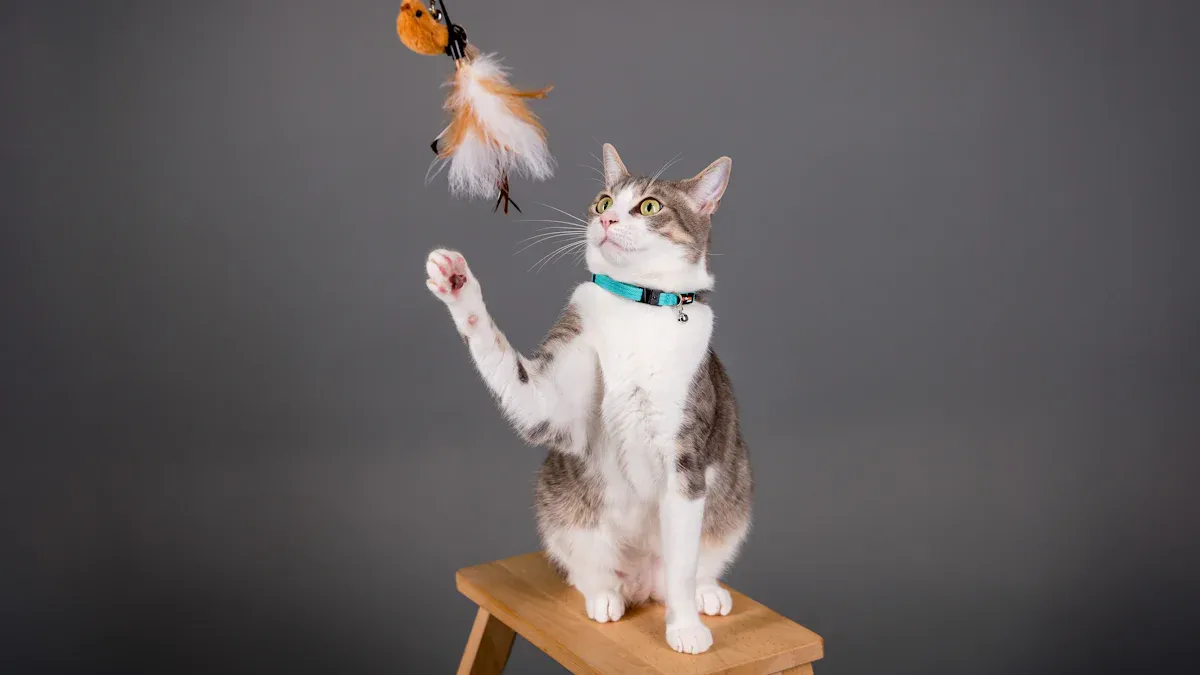
Active Playtime Needs
Indoor cats have unique playtime needs that you should prioritize. Unlike outdoor cats, who can roam freely and engage in natural hunting behaviors, indoor cats rely on you for their physical activity. Studies show that indoor cats are active for only about 3% of their time, which is less than 45 minutes a day. To keep your cat healthy and happy, aim for at least 30-40 minutes of playtime daily, divided into multiple sessions. Here’s a quick look at the recommended playtime durations from various sources:
Source | Recommended Playtime |
|---|---|
PetMD | 2-3 sessions of 10-15 minutes each |
AAHA | 2-3 sessions of 10-15 minutes each |
Cats.com | 30-40 minutes total, split into sessions |
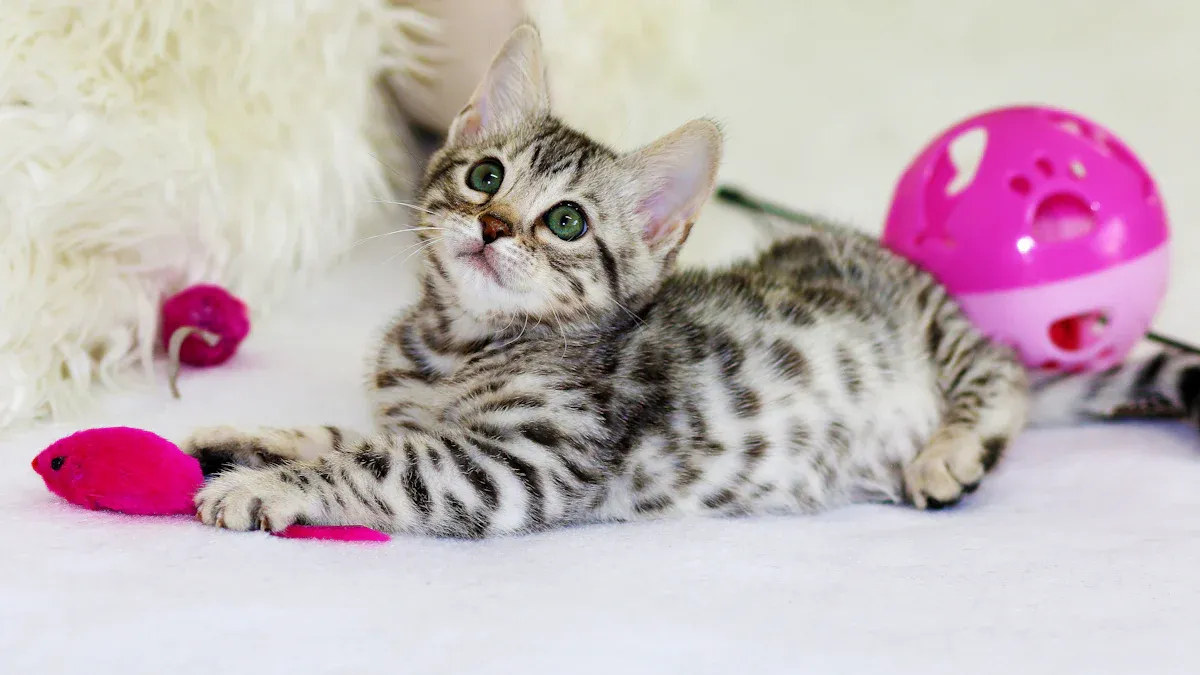
Engaging your cat in interactive play not only helps with their physical health but also strengthens your bond. Use toys that mimic prey, like feather wands or laser pointers, to stimulate their natural instincts.
Signs of Boredom
Boredom can lead to strange cat behaviors that may surprise you. If your indoor cat isn’t getting enough stimulation, you might notice some telltale signs. Here are a few behaviors to watch for:
Over-grooming or repetitive actions, like excessive licking or fur pulling.
Chasing or fighting with other pets as a way to release pent-up energy.
A lack of curiosity, where your cat seems uninterested in exploring or playing.
Moping around the house, which can indicate they’re not mentally stimulated.
Over-eating, as bored cats may eat more just to pass the time.
Recognizing these signs early can help you adjust your cat’s environment and activities to reduce stress and improve their overall well-being. Remember, a happy cat is an engaged cat!
Health Risks for Indoor Cats
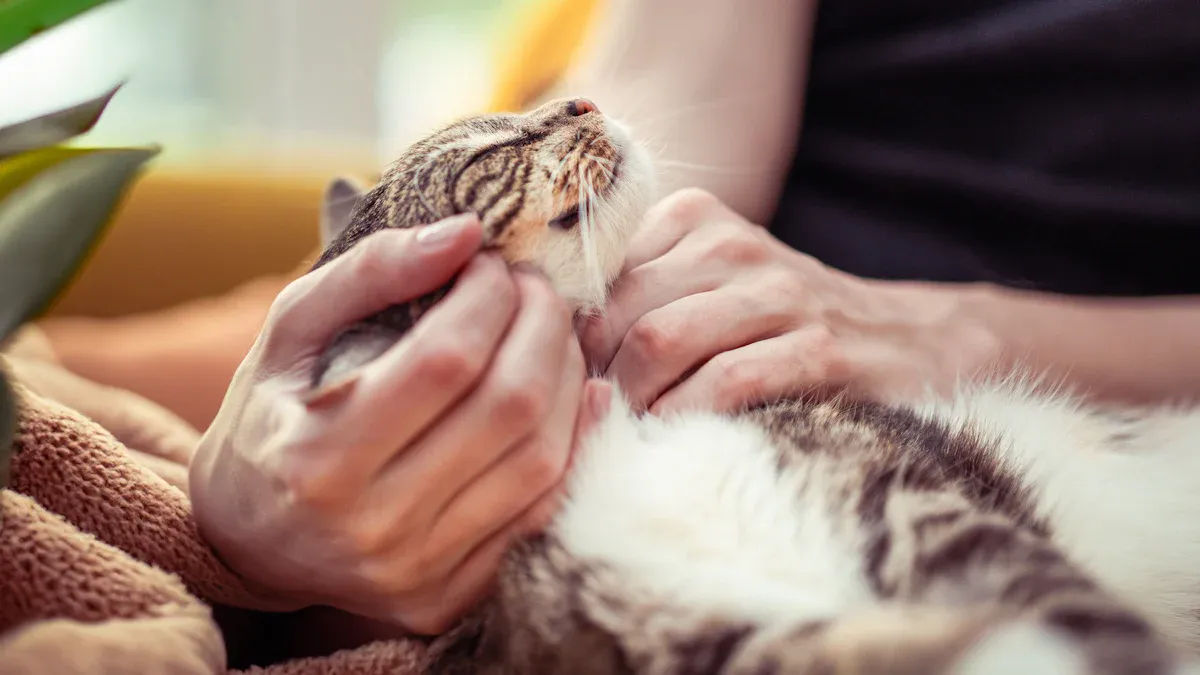
Obesity Management
Indoor cats face a significant risk of obesity, with approximately 40% of domestic cats in the USA affected. In some places, like New Zealand, this number can soar to 63%. Since indoor cats have limited space to roam and play, they often don’t get enough exercise. This lack of activity can lead to weight gain and related health issues.
To manage your cat’s weight effectively, consider these strategies:
Adjust Caloric Intake According to Life Stage: Consult with your vet to determine the right amount of food based on your cat’s age, size, and activity level.
Avoid Free Feeding: Measure out your cat’s daily food portion and serve it in scheduled meals to control calorie intake.
Monitor Multi-Cat Households: Create separate feeding stations for each cat to prevent food theft.
Regular Vet Check-Ups: Regular visits help detect obesity early.
Incorporate Canned Food: Canned food can help your cat feel fuller with fewer calories.
Provide Enrichment: Offer a variety of toys and create opportunities for exercise.
You can also increase daily physical activity by changing the location of the food bowl or using activity toys. Regularly monitor your cat’s weight and adjust feeding allowances based on any changes.
Regular Check-Ups
Regular veterinary check-ups are crucial for maintaining your indoor cat’s health. The American Association of Feline Practitioners recommends annual check-ups for indoor cats. For senior cats over ten years old, they suggest visiting the vet twice a year. Here’s a quick look at the recommendations:
Recommendation for Indoor Cats | Frequency | Key Reasons |
|---|---|---|
Annual Check-ups | Once a year | Early detection of health issues, better outcomes |
Senior Cats (over 10 years) | Twice a year | Increased risk of chronic health conditions |
Regular vet visits allow for early detection of health issues, leading to better outcomes. Preventive health care advice is essential for both indoor and outdoor cats. Tailored wellness plans can enhance your cat’s long-term health by addressing individual risks and ensuring comprehensive care.
By staying proactive about your indoor cat’s health, you can help them live a longer, happier life.
Common Cat Myths
Low-Maintenance Misconceptions
Many people believe that indoor cats are low-maintenance pets. This common cat myth can lead to neglecting their actual needs. You might think that because they stay indoors, they don’t require much care. However, indoor cats need regular veterinary check-ups, mental stimulation, and social interaction. Here’s a quick list of what you should keep in mind:
Regular Veterinary Check-Ups: Essential for vaccinations and health screenings to prevent illnesses.
Mental Stimulation: Necessary to prevent boredom and behavioral problems through toys and interactive play.
Social Interaction: Important for emotional well-being, as many cats thrive on companionship.
Clean Environment: Requires regular cleaning of litter boxes to avoid inappropriate elimination.
Nutritional Needs: Specific dietary requirements must be met for optimal health.
Grooming Requirements: Regular brushing and care are needed to maintain coat health.
By understanding these needs, you can enhance your cat’s quality of life and strengthen your bond.
Vaccination Needs
Another common myth is that indoor cats don’t need vaccinations. This misconception can put your cat’s health at risk. Even though they stay indoors, they can still be exposed to diseases through human contact or visits to the vet. Here’s a breakdown of why vaccinations are crucial:
Evidence | Description |
|---|---|
Misconceptions of Indoor Cats | Indoor cats require annual veterinary check-ups as they can develop various medical conditions and diseases, despite being indoors. |
Feline Vaccine Protocols | Many owners mistakenly believe indoor cats do not need vaccinations, which increases their risk of infectious diseases. |
Why Indoor Pets Still Require Vaccines | Indoor pets can still be exposed to illnesses through human contact or visits to the vet, making vaccinations necessary for their health. |
Vaccination plans should be tailored to your cat’s lifestyle. Factors like travel plans and underlying health conditions can influence what vaccines your cat needs. By staying informed, you can help ensure your indoor cat remains healthy and happy.
Environmental Enrichment for Indoor Cats
Creating an enriching environment for your indoor cats is essential for their mental and physical health. Cats thrive when they have opportunities to explore, climb, and play. One effective way to enhance their living space is by incorporating vertical space solutions.
Vertical Space Solutions
Vertical spaces allow your cats to climb and observe their surroundings, which can reduce stress and promote exercise. Here are some great options to consider:
Cat Trees: These provide vertical territory without taking up much floor space. They offer multiple levels for climbing and resting.
Wall-Mounted Shelves: Installing shelves creates climbing paths and gives your cats a chance to survey their domain from above.
Multi-Level Structures: These enable your cats to climb and find secure resting areas, which can help them feel safe and reduce anxiety.
Research shows that access to vertical spaces increases activity levels in indoor cats. Observational studies indicate that larger spaces lead to more solitary play and friendly interactions among cats. This means that by providing vertical options, you can encourage your cats to engage in natural behaviors that keep them healthy and happy.
Engaging Activities
In addition to vertical spaces, engaging activities are crucial for preventing boredom and behavioral issues. Here are some fun ideas to keep your indoor cats entertained:
Wand-Type Toys: These allow you to engage your cats in play, letting them feel like predators as they chase after the toy.
Laser Pointers: These encourage chasing behavior, but make sure your cats can eventually catch something to avoid frustration.
Self-Play Toys: Items like cardboard boxes and crumpled paper provide independent play opportunities, allowing your cats to explore on their own.
You can also consider interactive toys and puzzle feeders. These stimulate your cats’ minds and mimic hunting behaviors, which is essential for their well-being. Scheduled playtime is another great way to reduce boredom and anxiety. Daily interactive sessions allow your cats to engage in natural stalking and pouncing behaviors.
Taking your cat on walks using a harness and leash can also provide new stimuli in a safe manner. If you have a window, installing a bird feeder nearby can offer visual stimulation and engage their natural hunting instincts.
Research indicates that a lack of stimulation can lead to significant health issues, including stress, obesity, and behavioral problems. By creating a stimulating environment, you can help your indoor cats thrive and enjoy a better quality of life.
Socialization and Bonding
Importance of Socialization
Socialization is vital for indoor cats. It helps them feel comfortable in their environment and with people. When you socialize your cat, you improve their long-term well-being. Research shows that understanding how cats behave at home enhances your relationship with them. For example, kittens that are handled often during their sensitive phase become friendly and trusting. On the other hand, poorly socialized cats may take longer to adapt to new people and situations. This can affect their overall happiness.
To help your cat socialize, consider these best practices:
Gradually expose your cat to new environments and sounds.
Allow your cat to explore spaces at their own pace.
Monitor their body language to ensure they feel safe.
Introduce new scents before direct contact.
Create a safe space for your cat to retreat to if they feel overwhelmed.
By following these steps, you can help your cat adjust to new experiences and reduce their fear.
Bonding with Owners
Bonding with your indoor cat is just as important as socialization. Strong bonds lead to happier, healthier cats. You can strengthen this bond through simple actions. For instance, pet your cat but let them decide when to engage. Studies show that when cats initiate interactions, both their oxytocin levels and yours increase. This hormone is linked to feelings of love and trust.
Here are some effective ways to bond with your cat:
Talk Softly: Use a calm voice when you speak to your cat. This can help create a soothing atmosphere.
Play Together: Engage in regular play sessions. This mimics their natural hunting behavior and releases feel-good hormones.
Respect Their Space: Allow your cat to approach you for petting. This builds trust and comfort.
Create Routines: Establish daily routines for feeding and playtime. Cats thrive on predictability.
By focusing on these bonding activities, you can create a loving environment that benefits both you and your cat. Remember, the quality and frequency of your interactions matter. Securely attached cats show fewer behavioral issues and lower fear levels, leading to a happier life together.
Caring for indoor cats involves understanding their unique needs. Remember, indoor living protects them from dangers like traffic and disease. It also helps them live longer—up to 8-10 years more than outdoor cats! To keep your feline friend happy, focus on environmental enrichment and regular vet visits.
If you want to learn more about indoor cat care, check out these resources:
Cat Care At Home
Indoor Cats Guide
What to Know About Keeping an Indoor Cat
By staying informed and proactive, you can ensure your indoor cat thrives in a safe and loving environment. 🐾
FAQ
What is declawing, and is it harmful to my cat?
Declawing involves removing a cat’s claws and part of the toe bone. Many believe declawing is not harmful, but it can lead to pain and behavioral issues. Consider alternatives like scratching posts to protect your furniture.
Can I train my indoor cat?
Yes, you can train your indoor cat! While some say cats are not trainable, they can learn commands and tricks with patience and positive reinforcement. Use treats and playtime to encourage good behavior.
How can I prevent my cat from getting bored?
To prevent boredom, provide engaging toys, interactive playtime, and vertical spaces. Rotate toys regularly to keep things fresh. Consider puzzle feeders to stimulate their minds and mimic hunting behaviors.
How often should I take my indoor cat to the vet?
You should take your indoor cat for annual check-ups. For senior cats over ten years old, schedule visits twice a year. Regular vet visits help catch health issues early and keep your cat healthy.
What are some signs my cat is stressed?
Signs of stress in cats include hiding, excessive grooming, changes in appetite, and aggression. If you notice these behaviors, assess their environment and provide more enrichment to help them feel secure.