
Cats tap with their tails for several clear reasons tied to scent, attention, play, or discomfort. A gentle brush usually signals trust and comfort. Quick flicks or hard slaps warn of irritation or overstimulation. Tail hits paired with flinching or hiding can point to pain, so watch other body cues to tell which meaning fits.
Affectionate Contact and Bonding
At the moment a cat brushes its tail against a person’s leg or gently wraps it around a knee, it is offering a quiet form of affection and trust that feels like a small, sincere hug; this behavior mixes scent sharing with comfort-seeking and shows the cat values the human as part of its safe circle.
The observer observes how tail wrapping signals membership and social trust. The cat is saying you belong in its world. It often follows slow blinks or soft purring, which makes the scene feel warm and steady.
People who crave connection feel seen whenever a cat uses its tail to join them. This gentle contact builds closeness over time and invites calm, shared moments.
Attention‑Seeking or Requesting Interaction
Gentle tail contact can move quickly from a quiet greeting to a clear request for attention ought a cat wants something. In many homes, the cat blends gentle taps with a vocal demand and a soft nudge until the person notices.
The cat might add playful circling of legs, leaning into hands, and a steady tail brush to keep connection alive. Whenever people are busy, persistent tail hits help redirect focus toward the cat and its needs. The behavior feels warm because it asks for shared time and care.
Readers who want belonging will recognize the cat as seeking partnership. Responding with a short petting session or a small treat usually ends the tapping, which reinforces the bond.
Curiosity and Wanting to Participate
Why does a cat gently brush a person’s hand while they fold laundry or tap at a bag of groceries? A cat might offer this soft tail contact as an investigation invitation and a wish to join in. The movement says please watch me and include me. It encourages shared environmental engagement and quiet teamwork.
- Light tail taps signal curiosity about objects being handled
- Tail brushing at hands invites inspection and joint activity
- Staying close with slow tail swish shows relaxed interest
- Following while tail touches indicates monitoring and companionship
- Tapping near doors or bags hints at wanting to investigate together
These actions build connection. They make the person feel noticed, valued, and gently asked to participate in the cat’s finding.
Seeking Safety or Comfort When Anxious
At the moment a cat moves closer and presses its tail against a person during a noisy event or in a strange place, it is often asking for comfort and safety rather than just showing affection. The cat treats the person as a security anchor in an unfamiliar situation, seeking steady contact to calm racing senses. The person can respond with soft words, slow blinking, and gentle touch to increase the cat sense of belonging. This behavior ties to nearby fear cues and relief seeking. The table below highlights simple comforting actions.
| Action | Why it helps |
|---|---|
| Sit close | Provides warm contact |
| Low voice | Reduces arousal |
| Slow blink | Mimics calm signals |
| Gentle pet | Reassures touch |
| Move slowly | Avoids new startle |
Overstimulation and Warning Signals
Rapid tail lashing often appears once a cat has reached its petting threshold and needs a break, so notice the speed and force of those swishes.
Petting threshold cues like sudden twitching, skin ripples, or a stiffening body usually come prior to the tail becoming a clear warning.
Pre bite body signals such as flattened ears, tense muscles, and focused gaze often follow tail lashes and should prompt stepping away to keep both cat and person safe.
Rapid Tail Lashing
At the moment a cat begins to lash its tail quickly, it usually signals rising frustration or overstimulation that needs to be respected immediately. The motion often precedes more obvious aggressive behavior or a defensive posture and asks for space.
One can feel connected through noticing and acting kindly. Pay attention to setting and tone.
- Rapid side to side lashing while petted means stop and give distance
- Sharp tail slaps toward a hand might warn of possible swat or bite
- Tense body plus flicking tail shows mounting irritation and stress
- Sudden lashing during play suggests the cat reached its limit and needs calm
- Repeated fast lashes near a doorway or other pet indicate boundary setting
Noticing these cues keeps trust strong and prevents escalation.
Petting Threshold Cues
How can a person tell just as a cat has had enough petting without being told clearly? A calm observer notices tiny shifts in posture that signal a need for threshold adjustment. The tail might twitch, then tap, and contact tolerance drops as muscles tighten.
A friendly voice and slow petting help build trust, while watching those small moves prevents sudden annoyance. People who belong with the cat learn to pause once tail hits become firmer or more frequent.
Gentle redirection like a toy or a break in touch respects the cat and keeps connection warm. These cues let a person adjust pressure, duration, and location of petting so comfort remains mutual and the bond stays strong.
Pre‑Bite Body Signals
After noticing the small signs that a cat has had enough petting, a person can learn to read earlier, sharper warnings that sometimes come before a bite. The cat uses its body to say stop. Tail twitching often appears initially. Eyes narrow, skin ripples, and a paw lifting signals a polite but clear pause request. Those cues sit together and warn without loud noise.
- quick tail twitching, like a flick at the end
- slow tail lash that moves side to side
- tense shoulders and a low growl or hiss
- paw lifting near the hand, ready to bat
- ears rotate back with rigid posture
Recognizing these signs helps a person keep trust and avoid startling the cat during close moments.
Expressing Irritation or Annoyance
Rapid tail thrashing signals that a cat is irritated and ready to end an interaction.
Often this movement comes just before a sharp tail slap, which serves as a clear warning to stop touching or approaching. Noticing these cues promptly helps a person step back calmly and keep the cat feeling safe.
Rapid Tail Thrashing
Upon a cat beginning thrashing its tail quickly while staying close to a person, the motion is often a clear sign of irritation or a warning that limits are near, and identifying this can prevent hurt feelings on both sides. The behavior signals the cat is near threshold between playful energy and real upset, and it might follow play aggression or hunting excitement during shared moments.
The person can respond with calm respect to keep trust.
- Rapid side to side flicks mean annoyance and a need for space
- Stiff body plus thrash suggests stopping petting now
- Light thrash after play hints at leftover hunting excitement
- Repeated slaps ask for redirected attention or toys
- Should thrashing begin suddenly check for discomfort
Warning Before Swat
Upon a cat starting to give quick tail taps or sharp side swats while still sitting close, it is sending a clear warning that limits are being reached and a change in interaction is needed; the person should notice these signals promptly to prevent a full swat or bite.
The cat holds a defensive posture and waits while signaling. The taps act as a final warning and ask for space without breaking a bond.
A person who cares can step back, speak softly, and offer a calm hand instead. This gentle response keeps trust intact and shows the cat that limits are respected.
Should the behavior repeat, consider shorter interactions, watch for tension, and try different gentle play to rebuild comfort.
Pain, Discomfort, or Medical Issues
At the moment a cat suddenly begins flicking or slapping its tail more than usual, it can be a quiet cry for help rather than mischief. This behavior could signal pain, neurological discomfort, or skin trouble.
A caring person who lives with the cat will notice subtle changes and feel needed once they act.
- Tail hits after gentle touch that cause flinching might point to spinal or nerve pain
- Repeated self biting or chasing the tail often links to dermatologic disease or severe itch
- Sudden aggression with tail twitching can reflect acute injury or internal pain
- Avoidance of touch plus tail hiding sometimes shows generalized discomfort
- Quick consultation with a vet helps confirm medical causes and offers relief
Stay close and trust instincts.
Learned Mealtime or Treat Cues
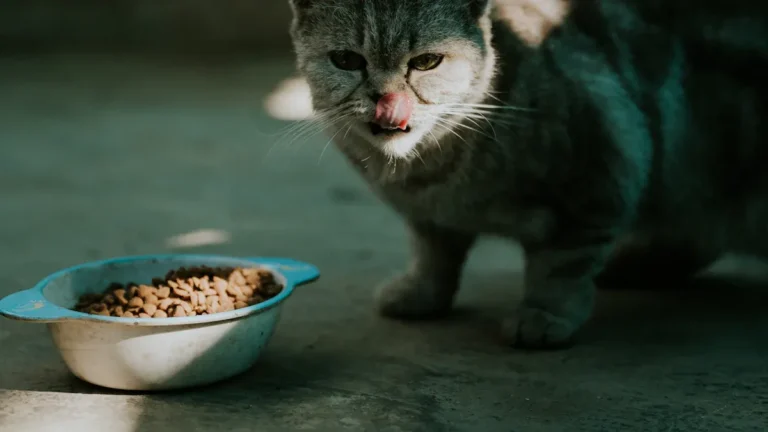
Not all sudden tail taps come from discomfort; occasionally the same motion has been shaped through daily routines. The cat learns that a light tap near a person often wins attention at breakfast or as soon as treats appear. This is food anticipation in action.
The cat links the tap with rewarding results and repeats it because treat reinforcement worked before. People then feel included because the cat invites them into that ritual. The behavior fits simple patterns and signals a gentle request.
It often appears with meowing, nudging, and circling. Owners can respond kindly, timing rewards to change the cue, or offer attention without food to reduce dependency. Grasping this makes interactions warmer and helps the human and cat share predictable, caring moments.